Water Diluted To 5% Acidity
What is Water Diluted To 5% Acidity?
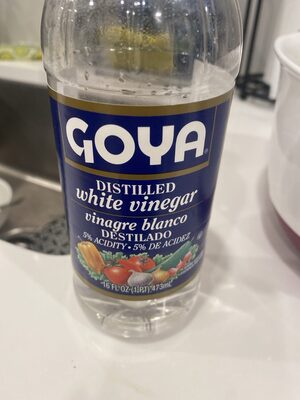
This is a diluted form of vinegar, specifically acetic acid diluted in water to a 5% acidity level. Vinegar is produced through a two-step fermentation process, first converting sugars to alcohol, and then converting alcohol to acetic acid by bacteria.
Is Water Diluted To 5% Acidity vegan?
Water Diluted To 5% Acidity is not animal-derived. Products that contain it can still include other animal-derived ingredients, so check the full ingredient list.
Is Water Diluted To 5% Acidity a major allergen?
Not a major allergen.
What is Water Diluted To 5% Acidity used for?
Manufacturers use diluted vinegar primarily as an acidity regulator and a preservative.
Is Water Diluted To 5% Acidity safe?
Vinegar is generally recognized as safe (GRAS) by the FDA for use in food.
Why it's used
Manufacturers use diluted vinegar primarily as an acidity regulator and a preservative. Its tart flavor also makes it a common ingredient in salad dressings, marinades, and sauces, helping to balance sweetness and enhance other flavors.
Health notes
Vinegar is generally recognized as safe (GRAS) by the FDA for use in food. Acetic acid, the main component of vinegar, is not typically associated with adverse health effects when consumed in amounts found in food. International bodies like JECFA have evaluated acetic acid and its salts. Evidence on the health effects of vinegar consumption is mixed, with some studies suggesting potential benefits for blood sugar control, while others show no significant effect.
Allergen info
Not a major allergen.
Foods that contain Water Diluted To 5% Acidity
Compare products →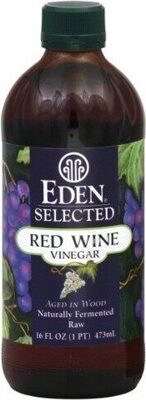
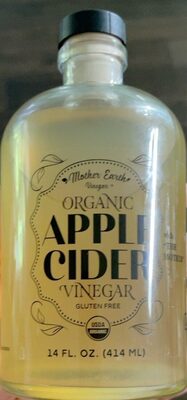
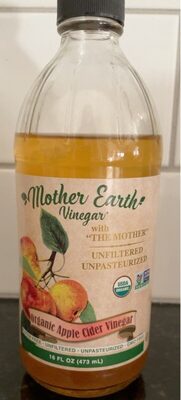
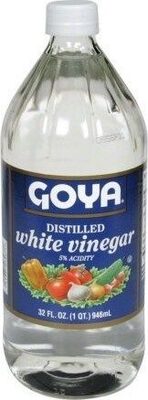
Auto-generated content. This description was generated automatically and is pending editorial review. Inaccuracies are possible. Found a mistake? Contact us.