Wheat1
What is Wheat1?
Wheat is a cereal grain that has been a staple food for thousands of years. It is the third most-produced food crop globally. The grain is typically milled into flour, which is used to make bread, pasta, and many other food products.
Is Wheat1 vegan?
Wheat1 is not animal-derived. Products that contain it can still include other animal-derived ingredients, so check the full ingredient list.
Is Wheat1 gluten-free?
It contains gluten, a protein that can cause adverse reactions in individuals with celiac disease or gluten sensitivity.
Is Wheat1 a major allergen?
Wheat is one of the 9 major food allergens identified by the FDA.
What is Wheat1 used for?
Wheat flour is a primary ingredient in baked goods like bread, cakes, and cookies, providing structure and texture.
Is Wheat1 safe?
Wheat is a common source of carbohydrates and fiber in the diet.
Why it's used
Wheat flour is a primary ingredient in baked goods like bread, cakes, and cookies, providing structure and texture. It's also used in pasta, cereals, and as a thickener in sauces and gravies.
Health notes
Wheat is a common source of carbohydrates and fiber in the diet. The FDA considers wheat flour to be Generally Recognized As Safe (GRAS). Whole wheat contains more fiber, vitamins, and minerals than refined wheat. Some people have celiac disease or non-celiac gluten sensitivity, which requires them to avoid wheat and gluten.
Allergen info
Wheat is one of the 9 major food allergens identified by the FDA. It contains gluten, a protein that can cause adverse reactions in individuals with celiac disease or gluten sensitivity.
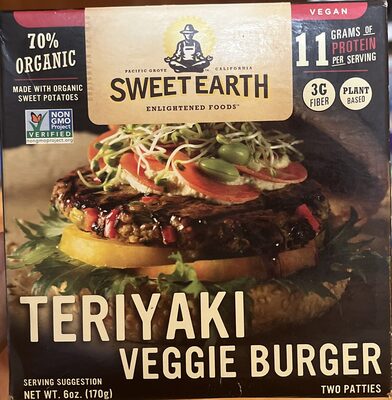
Foods that contain Wheat1
Compare products →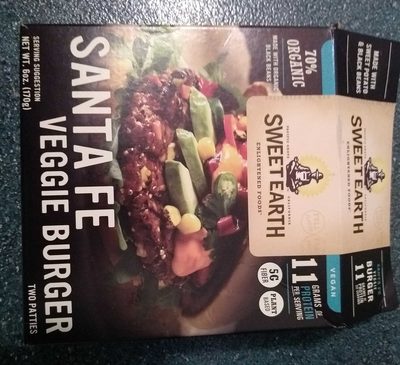
Learn more
Auto-generated content. This description was generated automatically and is pending editorial review. Inaccuracies are possible. Found a mistake? Contact us.