White And Dark Chicken
What is White And Dark Chicken?
White and dark chicken refers to meat from both the breast (white meat) and legs/thighs (dark meat) of a chicken. The meat is typically cooked and then canned or packaged, often with added water or broth to preserve moisture and texture.
Is White And Dark Chicken vegan?
No. White And Dark Chicken is animal-derived, so it is not vegan.
Is White And Dark Chicken gluten-free?
It does not contain gluten.
Is White And Dark Chicken a major allergen?
Chicken is not one of the nine major allergens recognized by the FDA.
What is White And Dark Chicken used for?
Manufacturers use white and dark chicken as a protein source in a variety of prepared foods.
Is White And Dark Chicken safe?
Chicken is a source of protein and various nutrients.
Why it's used
Manufacturers use white and dark chicken as a protein source in a variety of prepared foods. It is commonly found in canned soups, stews, salads, casseroles, and ready-to-eat meals where a convenient source of cooked chicken is needed.
Health notes
Chicken is a source of protein and various nutrients. The FDA considers chicken a safe and wholesome food. Regulatory bodies like the WHO/FAO's JECFA have evaluated chicken meat, but no specific health concerns are typically associated with its consumption at normal dietary levels. As with any food, excessive intake of processed or high-sodium chicken products could contribute to health issues.
Allergen info
Chicken is not one of the nine major allergens recognized by the FDA. It does not contain gluten.
Foods that contain White And Dark Chicken
Compare products →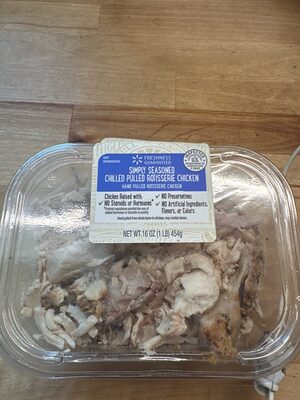
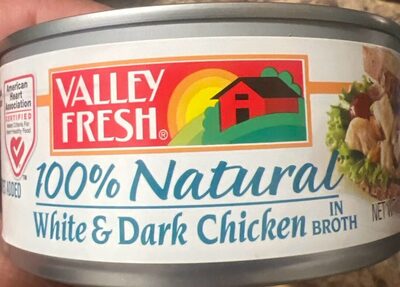
Learn more
Auto-generated content. This description was generated automatically and is pending editorial review. Inaccuracies are possible. Found a mistake? Contact us.