White Chia Seed
Auto-generated content. This description was generated automatically and is pending editorial review. Inaccuracies are possible. Found a mistake? Contact us.
What it is
White chia seeds are tiny seeds from the Salvia hispanica L. plant, native to Mexico and Guatemala. They are a whole grain, harvested from the plant and typically sold in their natural form. The seeds are known for their ability to absorb liquid and form a gel.
Why it's used
Manufacturers add white chia seeds as a source of fiber, protein, and omega-3 fatty acids. They are often used in baked goods, breakfast cereals, energy bars, and smoothies. Their gelling property also makes them useful as a binder or thickener in some products.
Health notes
White chia seeds are Generally Recognized As Safe (GRAS) by the FDA for use in food. They are a good source of dietary fiber and omega-3 fatty acids, which are beneficial for heart health. The WHO and EFSA have evaluated chia seeds and recognize their nutritional value. At typical consumption levels, they are considered safe and contribute positively to a balanced diet.
Allergen info
Chia seeds are not one of the nine FDA major allergens. They are also naturally gluten-free.
Products containing White Chia Seed
Compare products →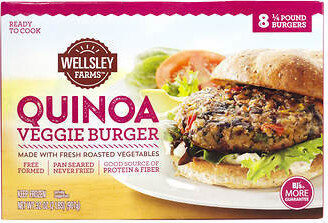 BJ's Wholesale Club / Corporate Brands
Quinoa Veggie Burgers, Quinoa
168kcal
12.4Protein
5.3Fat
17.7Carbs
Hodgson Mill Inc
Travel Flax And Chia
462kcal
15.4Protein
30.8Fat
30.8Carbs
BJ's Wholesale Club / Corporate Brands
Quinoa Veggie Burgers, Quinoa
168kcal
12.4Protein
5.3Fat
17.7Carbs
Hodgson Mill Inc
Travel Flax And Chia
462kcal
15.4Protein
30.8Fat
30.8Carbs