White Chunks
What is White Chunks?
White chunks are pieces of white chocolate or a white confectionary coating. They are typically made from sugar, vegetable oil, milk solids, and flavorings. The exact composition can vary, but they are designed to melt similarly to white chocolate.
Is White Chunks vegan?
No. White Chunks is animal-derived, so it is not vegan.
Is White Chunks gluten-free?
They are not a source of gluten.
Is White Chunks a major allergen?
White chunks may contain milk and soy, which are two of the nine major allergens.
What is White Chunks used for?
Manufacturers add white chunks for their sweet flavor and creamy texture, often as inclusions in baked goods.
Is White Chunks safe?
White chunks are generally recognized as safe (GRAS) by the FDA when used as a food ingredient.
Why it's used
Manufacturers add white chunks for their sweet flavor and creamy texture, often as inclusions in baked goods. They are commonly found in cookies, brownies, muffins, and other desserts where a sweet, white chocolate-like element is desired.
Health notes
White chunks are generally recognized as safe (GRAS) by the FDA when used as a food ingredient. They are primarily composed of sugar and fat, and like other high-sugar, high-fat foods, excessive consumption may contribute to health concerns. International bodies like JECFA have evaluated similar ingredients but do not set specific limits for this type of confectionary piece.
Allergen info
White chunks may contain milk and soy, which are two of the nine major allergens. They are not a source of gluten.
Foods that contain White Chunks
Compare products →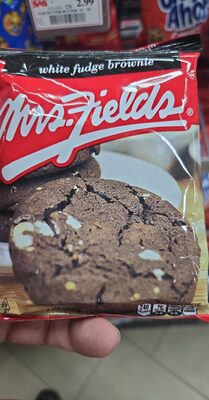
Auto-generated content. This description was generated automatically and is pending editorial review. Inaccuracies are possible. Found a mistake? Contact us.