Whole Blanched Almonds
Auto-generated content. This description was generated automatically and is pending editorial review. Inaccuracies are possible. Found a mistake? Contact us.
What it is
Whole blanched almonds are almonds that have had their brown skins removed. The blanching process involves briefly immersing the almonds in hot water, which loosens the skins, making them easy to peel off. This leaves the almond kernel white and ready for further processing or use.
Why it's used
Almonds are often used whole or chopped as a snack or ingredient in baked goods, cereals, and trail mixes. They add a nutty flavor, a satisfying crunch, and visual appeal to products like cookies, cakes, and granola bars. Manufacturers also use almond flour, derived from ground almonds, in gluten-free baking.
Health notes
Almonds are a source of healthy fats, protein, fiber, vitamin E, and magnesium. They are generally recognized as safe (GRAS) by the FDA for use in food. While research suggests potential benefits for heart health and blood sugar control, these are typically associated with regular consumption as part of a balanced diet. Regulatory bodies like EFSA have evaluated almonds and their components.
Allergen info
Almonds are classified as a tree nut, which is one of the 9 major allergens identified by the FDA. People with tree nut allergies should avoid almonds.
Products containing Whole Blanched Almonds
Compare products →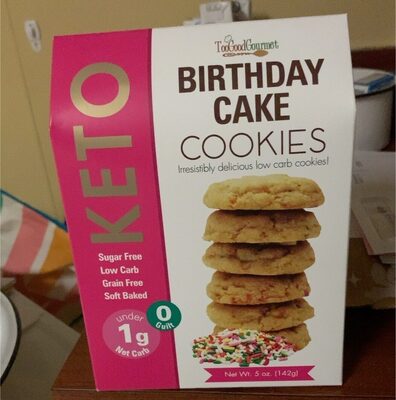 Too Good Gourmet, Inc.
Birthday Cake Keto Cookies, Birthday Cake
389kcal
11.1Protein
33.3Fat
27.8Carbs
Too Good Gourmet, Inc.
Birthday Cake Keto Cookies, Birthday Cake
389kcal
11.1Protein
33.3Fat
27.8Carbs
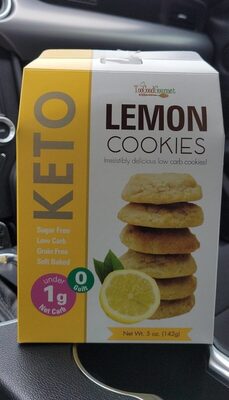 Too Good Gourmet, Inc.
Lemon Cookies, Lemon
389kcal
11.1Protein
28.9Fat
27.8Carbs
Too Good Gourmet, Inc.
Lemon Cookies, Lemon
389kcal
11.1Protein
28.9Fat
27.8Carbs
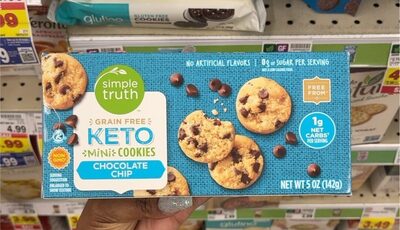 The Kroger Co.
Chocolate Chip Ket Mini Cookies, Chocolate Chip
High in saturated fat — 20% DV per serving
400kcal
6.7Protein
33.3Fat
33.3Carbs
The Kroger Co.
Chocolate Chip Ket Mini Cookies, Chocolate Chip
High in saturated fat — 20% DV per serving
400kcal
6.7Protein
33.3Fat
33.3Carbs
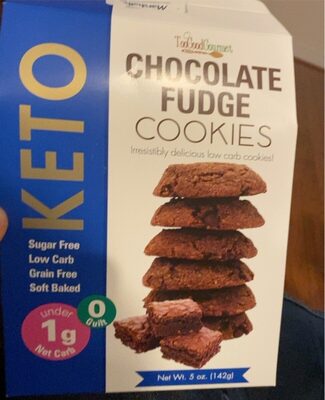 Too Good Gourmet, Inc.
Keto Chocolate Fudge Cookies, Keto Chocolate Fudge
444kcal
11.1Protein
38.9Fat
—Carbs
Too Good Gourmet, Inc.
Keto Chocolate Fudge Cookies, Keto Chocolate Fudge
444kcal
11.1Protein
38.9Fat
—Carbs
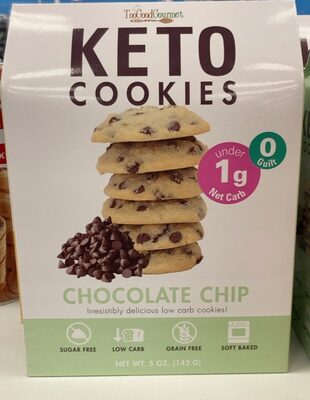 Too Good Gourmet, Inc.
Chocolate Chip Keto Cookies, Chocolate Chip
444kcal
11.1Protein
38.9Fat
27.8Carbs
Too Good Gourmet, Inc.
Chocolate Chip Keto Cookies, Chocolate Chip
444kcal
11.1Protein
38.9Fat
27.8Carbs