Whole Buttermilk
What is Whole Buttermilk?
Whole buttermilk is the liquid remaining after butter is churned from cream. It contains less fat than whole milk but retains many of its nutrients. It has a tangy flavor and a smooth texture.
Is Whole Buttermilk vegan?
No. Whole Buttermilk is animal-derived, so it is not vegan.
Is Whole Buttermilk gluten-free?
It does not contain gluten.
Is Whole Buttermilk a major allergen?
Whole buttermilk is derived from milk, which is one of the 9 FDA major allergens.
What is Whole Buttermilk used for?
Manufacturers use whole buttermilk to add moisture, tenderness, and a slightly tangy flavor to baked goods like biscuits, pancakes, and cakes.
Is Whole Buttermilk safe?
Whole buttermilk is generally recognized as safe (GRAS) by the FDA.
Why it's used
Manufacturers use whole buttermilk to add moisture, tenderness, and a slightly tangy flavor to baked goods like biscuits, pancakes, and cakes. It also acts as a leavening agent when combined with baking soda, creating a lighter texture. It is also found in dips, dressings, and marinades.
Health notes
Whole buttermilk is generally recognized as safe (GRAS) by the FDA. It is a source of protein, calcium, and vitamin D. JECFA and EFSA have evaluated buttermilk as part of dairy products. It is a nutrient-dense food that can be part of a balanced diet.
Allergen info
Whole buttermilk is derived from milk, which is one of the 9 FDA major allergens. It does not contain gluten.
Foods that contain Whole Buttermilk
Compare products →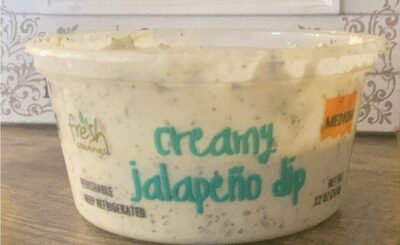 Next Phase Enterprises
Creamy Jalapeno Dip, Creamy Jalapeno
333kcal
0Protein
33.3Fat
6.7Carbs
Food City
Buttermilk Biscuits, Buttermilk
High in sodium — 33% DV per serving
High in saturated fat — 30% DV per serving
306kcal
6.5Protein
14.5Fat
37.1Carbs
Food City
Southern Style Biscuits, Southern Style
High in sodium — 33% DV per serving
High in saturated fat — 30% DV per serving
323kcal
6.5Protein
16.1Fat
37.1Carbs
Next Phase Enterprises
Creamy Jalapeno Dip, Creamy Jalapeno
333kcal
0Protein
33.3Fat
6.7Carbs
Food City
Buttermilk Biscuits, Buttermilk
High in sodium — 33% DV per serving
High in saturated fat — 30% DV per serving
306kcal
6.5Protein
14.5Fat
37.1Carbs
Food City
Southern Style Biscuits, Southern Style
High in sodium — 33% DV per serving
High in saturated fat — 30% DV per serving
323kcal
6.5Protein
16.1Fat
37.1Carbs
Learn more
Auto-generated content. This description was generated automatically and is pending editorial review. Inaccuracies are possible. Found a mistake? Contact us.