Whole White Wheat
Auto-generated content. This description was generated automatically and is pending editorial review. Inaccuracies are possible. Found a mistake? Contact us.
What it is
Whole white wheat is a type of wheat that includes all parts of the grain kernel: the bran, germ, and endosperm. Unlike traditional red wheat, white wheat varieties have a lighter-colored bran, resulting in a milder flavor and lighter appearance in foods.
Why it's used
It is used as a primary ingredient in many food products, particularly baked goods like bread, pasta, and cereals, as well as snacks. Manufacturers use it to provide fiber, nutrients, and a whole grain texture, often as an alternative to refined flours or darker whole wheat.
Health notes
Whole white wheat is considered a whole grain food, not a food additive, and is regulated by the FDA as such. The Dietary Guidelines for Americans recommend making at least half of your grains whole grains, as they are a good source of dietary fiber, vitamins, and minerals. Regular consumption of whole grains is associated with various health benefits. There are no specific controversies regarding whole white wheat compared to other whole grains.
Allergen info
Wheat is one of the nine major food allergens identified by the FDA. Individuals with wheat allergies or celiac disease must avoid products containing wheat.
Products containing Whole White Wheat
Compare products →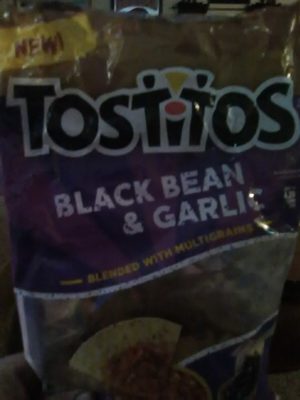 Frito-Lay Company
Black Bean & Garlic Flavored Tortilla Chips, Black Bean & Garlic
536kcal
7.1Protein
25Fat
64.3Carbs
Frito-Lay Company
Black Bean & Garlic Flavored Tortilla Chips, Black Bean & Garlic
536kcal
7.1Protein
25Fat
64.3Carbs
Frito-Lay Company
Black Bean & Garlic Flavored Tortilla Chips, Black Bean & Garlic
536kcal
7.1Protein
25Fat
64.3Carbs
Frito-Lay Company
Black Bean & Garlic Flavored Tortilla Chips, Black Bean & Garlic
536kcal
7.1Protein
25Fat
64.3Carbs
 Frito-Lay Company
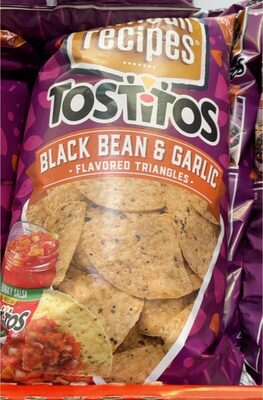
Multigrain Roasted Garlic & Black Bean Tortilla Chips, Roasted Garlic & Black Bean
536kcal
7.1Protein
25Fat
64.3Carbs
Frito-Lay Company
Multigrain Roasted Garlic & Black Bean Tortilla Chips, Roasted Garlic & Black Bean
536kcal
7.1Protein
25Fat
64.3Carbs