Xantha Gum
What is Xantha Gum?
Xanthan gum is a polysaccharide, a type of carbohydrate, produced by the fermentation of sugar by a specific bacterium, *Xanthomonas campestris*. The process involves growing the bacteria in a liquid medium, then isolating and drying the gum produced.
Is Xantha Gum vegan?
Xantha Gum is not animal-derived. Products that contain it can still include other animal-derived ingredients, so check the full ingredient list.
Is Xantha Gum gluten-free?
Xanthan gum is not derived from any of the 9 major allergens and does not contain gluten.
What is Xantha Gum used for?
Manufacturers add xanthan gum to foods as a thickener and stabilizer.
Is Xantha Gum safe?
Xanthan gum is generally recognized as safe (GRAS) by the FDA for use in food.
Why it's used
Manufacturers add xanthan gum to foods as a thickener and stabilizer. It helps prevent ingredients from separating and gives foods a smoother texture. It is commonly found in salad dressings, sauces, baked goods (especially gluten-free products), and dairy alternatives.
Health notes
Xanthan gum is generally recognized as safe (GRAS) by the FDA for use in food. It is poorly digested and passes through the digestive system largely intact, acting as a soluble fiber. Regulatory bodies like JECFA and EFSA have evaluated xanthan gum and found it safe for consumption. Some studies suggest it may help lower blood sugar and cholesterol levels, but more research is needed. High intake may cause mild digestive discomfort for some individuals.
Allergen info
Xanthan gum is not derived from any of the 9 major allergens and does not contain gluten.
Foods that contain Xantha Gum
Compare products →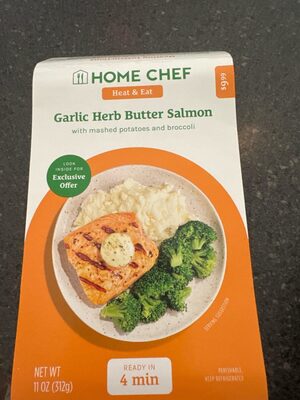 Relish Labs LLC
Garlic Herb Butter Salmon, Garlic Herb
High in sodium — 47% DV per serving
High in saturated fat — 70% DV per serving
High in cholesterol — 35% DV per serving
131kcal
8.3Protein
8.0Fat
8.3Carbs
Bozza Pasta LLC.
Gluten Free Penne
228kcal
1.8Protein
0Fat
56.1Carbs
Reser's Fine Foods, Inc.
Pesto Parmesan Pasta Salad, Pesto Parmesan
High in sodium — 32% DV per serving
121kcal
4.3Protein
2.9Fat
19.3Carbs
Relish Labs LLC
Garlic Herb Butter Salmon, Garlic Herb
High in sodium — 47% DV per serving
High in saturated fat — 70% DV per serving
High in cholesterol — 35% DV per serving
131kcal
8.3Protein
8.0Fat
8.3Carbs
Bozza Pasta LLC.
Gluten Free Penne
228kcal
1.8Protein
0Fat
56.1Carbs
Reser's Fine Foods, Inc.
Pesto Parmesan Pasta Salad, Pesto Parmesan
High in sodium — 32% DV per serving
121kcal
4.3Protein
2.9Fat
19.3Carbs
Learn more
Auto-generated content. This description was generated automatically and is pending editorial review. Inaccuracies are possible. Found a mistake? Contact us.