Xanthan Gums
Auto-generated content. This description was generated automatically and is pending editorial review. Inaccuracies are possible. Found a mistake? Contact us.
What it is
Xanthan gum is a polysaccharide, a type of complex carbohydrate. It is produced by the fermentation of sugar by a bacterium called *Xanthomonas campestris*. The resulting gum is then dried and milled into a fine powder.
Why it's used
Manufacturers use xanthan gum as a thickener and stabilizer. It helps prevent ingredients from separating and gives foods a smoother texture. You can find it in salad dressings, sauces, baked goods, and dairy products.
Health notes
Xanthan gum is generally recognized as safe (GRAS) by the FDA. It is approved as a food additive in the US and many other countries. The Joint FAO/WHO Expert Committee on Food Additives (JECFA) and the European Food Safety Authority (EFSA) have evaluated xanthan gum. While generally considered safe, very large amounts may cause digestive upset in some people. Research has not found significant health concerns at typical consumption levels.
Allergen info
Xanthan gum is not derived from any of the major allergens. It is also gluten-free.
Products containing Xanthan Gums
Compare products →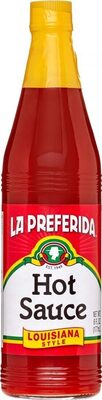 La Preferida Inc
Hot Sauce, Louisiana Style
0kcal
0Protein
0Fat
0Carbs
Safeway, Inc.
Wild Caught Sockeye Salmon Fillet With Cedar Plank, Mesquite Seasoned
High in cholesterol — 20% DV per serving
133kcal
23.0Protein
4.4Fat
0.9Carbs
Société des Produits Nestlé S.A.
SWEET EARTH Frozen Meal Cauliflower Mac and Cheese Bowl 9oz
High in sodium — 27% DV per serving
133kcal
3.5Protein
5.1Fat
18.4Carbs
La Preferida Inc
Hot Sauce, Louisiana Style
0kcal
0Protein
0Fat
0Carbs
Safeway, Inc.
Wild Caught Sockeye Salmon Fillet With Cedar Plank, Mesquite Seasoned
High in cholesterol — 20% DV per serving
133kcal
23.0Protein
4.4Fat
0.9Carbs
Société des Produits Nestlé S.A.
SWEET EARTH Frozen Meal Cauliflower Mac and Cheese Bowl 9oz
High in sodium — 27% DV per serving
133kcal
3.5Protein
5.1Fat
18.4Carbs