Xhantan Gum
Auto-generated content. This description was generated automatically and is pending editorial review. Inaccuracies are possible. Found a mistake? Contact us.
What it is
Xanthan gum is a polysaccharide, a type of complex carbohydrate. It is produced by the fermentation of sugar by a specific bacterium, *Xanthomonas campestris*. The resulting gum is then dried and milled into a fine powder.
Why it's used
Manufacturers add xanthan gum to foods primarily as a thickener and stabilizer. It helps prevent ingredients from separating and improves the texture of products. You'll find it in salad dressings, sauces, baked goods, and dairy alternatives.
Health notes
Xanthan gum is generally recognized as safe (GRAS) by the FDA for use in food. It is poorly digested and passes through the digestive system largely intact. Some studies suggest it may help moderate blood sugar levels when consumed with a meal, though more research is needed. The Joint FAO/WHO Expert Committee on Food Additives (JECFA) and the European Food Safety Authority (EFSA) have also evaluated xanthan gum.
Allergen info
Xanthan gum is not derived from any of the nine major allergens and does not contain gluten.
Products containing Xhantan Gum
Compare products → COSECHA P'URHEPECHA
Clasica's Habanero Hot Salsa
0kcal
0Protein
0Fat
0Carbs
AVELINA
Oatmeal With Vanilla Instant Rolled Oats
375kcal
12.5Protein
7.5Fat
0.1Carbs
COSECHA P'URHEPECHA
Clasica's Habanero Hot Salsa
0kcal
0Protein
0Fat
0Carbs
AVELINA
Oatmeal With Vanilla Instant Rolled Oats
375kcal
12.5Protein
7.5Fat
0.1Carbs
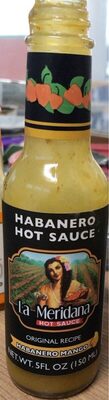 LA MERIDANA
Habanero Hot Sauce, Habanero Mango
60kcal
0Protein
0Fat
20Carbs
LA MERIDANA
Habanero Hot Sauce, Habanero Mango
60kcal
0Protein
0Fat
20Carbs
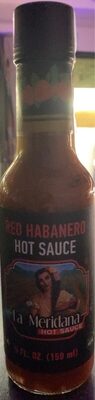 LA MERIDANA
Original Recipe Red Habanero Hot Sauce, Red
0kcal
0Protein
0Fat
0Carbs
Delhaize America, Inc.
Inspirations, Authentic Italian Gelato, Mixed Berry, Mixed Berry
206kcal
3.2Protein
8.7Fat
28.6Carbs
Halcon Baker Inc.
Pineapple Syrup
161kcal
0Protein
0Fat
38.7Carbs
Halcon Baker Inc.
Passion Fruit Syrup
161kcal
0Protein
0Fat
38.7Carbs
LA MERIDANA
Original Recipe Red Habanero Hot Sauce, Red
0kcal
0Protein
0Fat
0Carbs
Delhaize America, Inc.
Inspirations, Authentic Italian Gelato, Mixed Berry, Mixed Berry
206kcal
3.2Protein
8.7Fat
28.6Carbs
Halcon Baker Inc.
Pineapple Syrup
161kcal
0Protein
0Fat
38.7Carbs
Halcon Baker Inc.
Passion Fruit Syrup
161kcal
0Protein
0Fat
38.7Carbs