Yeast And Leavening
What is Yeast And Leavening?
Yeast is a single-celled microorganism, a type of fungus. It is used in baking to make dough rise, a process called leavening. Baker's yeast (Saccharomyces cerevisiae) is the most common type used in food production.
Is Yeast And Leavening vegan?
Yeast And Leavening is not animal-derived. Products that contain it can still include other animal-derived ingredients, so check the full ingredient list.
Is Yeast And Leavening gluten-free?
However, some yeast-containing products, like bread, may be made with wheat, which is a major allergen and contains gluten.
Is Yeast And Leavening a major allergen?
Yeast itself is not one of the nine major allergens.
What is Yeast And Leavening used for?
Yeast and leavening agents are added to baked goods to create a light and airy texture.
Is Yeast And Leavening safe?
Yeast is generally recognized as safe (GRAS) by the FDA for use in food.
Why it's used
Yeast and leavening agents are added to baked goods to create a light and airy texture. They produce carbon dioxide gas during fermentation, which causes dough to expand. Common foods include bread, crackers, pizza dough, and some cakes and pastries.
Health notes
Yeast is generally recognized as safe (GRAS) by the FDA for use in food. It is a source of B vitamins and protein. International bodies like JECFA have evaluated yeast and its components. While generally safe, some individuals may experience digestive discomfort from yeast products.
Allergen info
Yeast itself is not one of the nine major allergens. However, some yeast-containing products, like bread, may be made with wheat, which is a major allergen and contains gluten.
Foods that contain Yeast And Leavening
Compare products →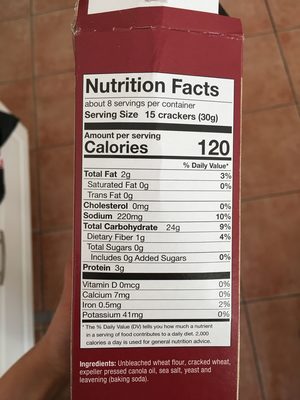
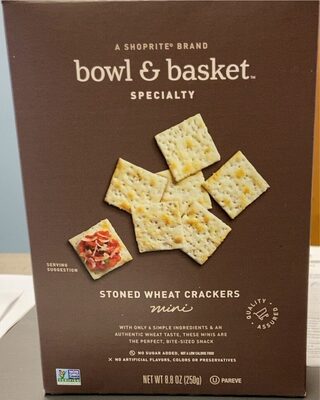
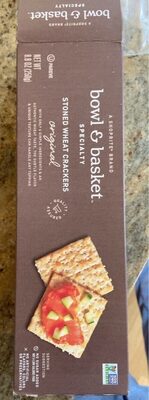
Auto-generated content. This description was generated automatically and is pending editorial review. Inaccuracies are possible. Found a mistake? Contact us.