Yellow Stoneground Corn
What is Yellow Stoneground Corn?
Yellow stoneground corn is coarsely ground corn kernels. It is made by grinding dried corn kernels between two stones, which gives it a rustic texture and appearance. This traditional milling method preserves more of the corn's natural oils and nutrients compared to finer milling processes.
Is Yellow Stoneground Corn vegan?
Yellow Stoneground Corn is not animal-derived. Products that contain it can still include other animal-derived ingredients, so check the full ingredient list.
Is Yellow Stoneground Corn gluten-free?
It does not contain gluten.
Is Yellow Stoneground Corn a major allergen?
Corn is not one of the 9 FDA major allergens.
What is Yellow Stoneground Corn used for?
Manufacturers use yellow stoneground corn primarily for its texture and corn flavor in snack foods.
Is Yellow Stoneground Corn safe?
Yellow stoneground corn is generally recognized as safe (GRAS) by the FDA when used as a food ingredient.
Why it's used
Manufacturers use yellow stoneground corn primarily for its texture and corn flavor in snack foods. It is often found in corn chips, tortilla chips, and corn breads, where its coarser grind contributes to a satisfying crunch and a hearty corn taste.
Health notes
Yellow stoneground corn is generally recognized as safe (GRAS) by the FDA when used as a food ingredient. It is a source of carbohydrates and dietary fiber. International bodies like JECFA have evaluated corn and its derivatives, but specific evaluations for 'yellow stoneground corn' as a distinct ingredient are not typically detailed.
Allergen info
Corn is not one of the 9 FDA major allergens. It does not contain gluten.
Foods that contain Yellow Stoneground Corn
Compare products →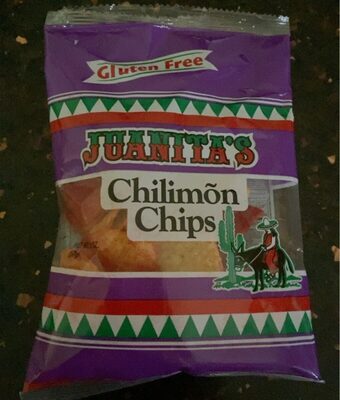
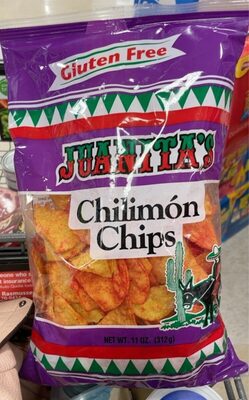
Learn more
Auto-generated content. This description was generated automatically and is pending editorial review. Inaccuracies are possible. Found a mistake? Contact us.