Zinc Picolinate
What is Zinc Picolinate?
Zinc picolinate is a mineral supplement made from zinc and picolinic acid. Picolinic acid is a naturally occurring compound produced in the body from the amino acid tryptophan. Zinc picolinate is synthesized for use as a dietary supplement.
Is Zinc Picolinate vegan?
Zinc Picolinate is not animal-derived. Products that contain it can still include other animal-derived ingredients, so check the full ingredient list.
Is Zinc Picolinate gluten-free?
It does not contain gluten.
Is Zinc Picolinate a major allergen?
Zinc picolinate is not derived from any of the nine FDA major allergens.
What is Zinc Picolinate used for?
Zinc picolinate is added to foods and beverages as a source of zinc, an essential mineral.
Is Zinc Picolinate safe?
Zinc picolinate is generally recognized as safe (GRAS) by the FDA when used as a nutrient.
Why it's used
Zinc picolinate is added to foods and beverages as a source of zinc, an essential mineral. It is most often found in powdered drink mixes, enhanced waters, and teas where it serves as a nutrient fortification.
Health notes
Zinc picolinate is generally recognized as safe (GRAS) by the FDA when used as a nutrient. Zinc is essential for immune function, wound healing, and cell growth. JECFA has evaluated zinc compounds and established acceptable daily intakes. While generally safe at recommended levels, very high doses of zinc can interfere with copper absorption and may cause nausea or vomiting. Evidence regarding specific health benefits of zinc picolinate over other zinc forms is mixed.
Allergen info
Zinc picolinate is not derived from any of the nine FDA major allergens. It does not contain gluten.
Foods that contain Zinc Picolinate
Compare products →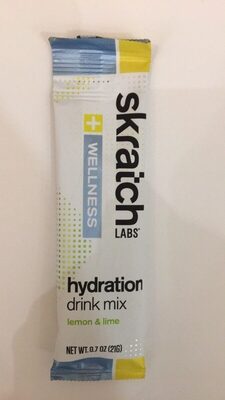
Learn more
Auto-generated content. This description was generated automatically and is pending editorial review. Inaccuracies are possible. Found a mistake? Contact us.