1% Milkfat
What is 1% Milkfat?
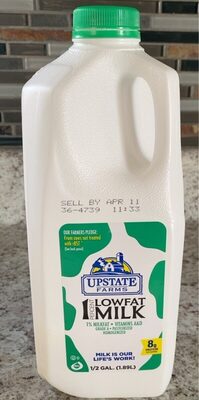
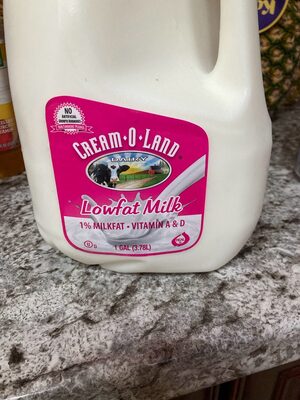
1% milkfat refers to milk that has had most of its butterfat removed, leaving 1% of the milk's weight as fat. This process is typically done through centrifugation. The resulting milk has a lower fat content and fewer calories than whole milk.
Is 1% Milkfat vegan?
No. 1% Milkfat is animal-derived, so it is not vegan.
Is 1% Milkfat a major allergen?
Milk is one of the nine major allergens identified by the FDA.
What is 1% Milkfat used for?
1% milkfat is commonly used as a beverage milk, offering a lighter alternative to whole milk.
Is 1% Milkfat safe?
Milk is a source of calcium, vitamin D, and protein.
Why it's used
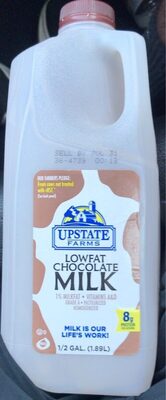
1% milkfat is commonly used as a beverage milk, offering a lighter alternative to whole milk. It is also a base for various dairy products like lowfat chocolate milk and some yogurts. Manufacturers use it when a reduced-fat dairy component is desired without completely eliminating fat.
Health notes
Milk is a source of calcium, vitamin D, and protein. The U.S. Food and Drug Administration (FDA) lists milk as Generally Recognized As Safe (GRAS). International bodies like the Joint FAO/WHO Expert Committee on Food Additives (JECFA) have evaluated milk components. Consuming dairy products like 1% milkfat milk is part of dietary recommendations for bone health.
Allergen info
Milk is one of the nine major allergens identified by the FDA. Individuals with a milk allergy should avoid 1% milkfat.
Foods that contain 1% Milkfat
Compare products →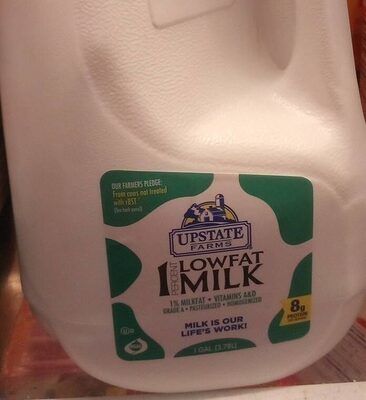
Learn more
Auto-generated content. This description was generated automatically and is pending editorial review. Inaccuracies are possible. Found a mistake? Contact us.