100% Extra Virgin Olive Oil
Auto-generated content. This description was generated automatically and is pending editorial review. Inaccuracies are possible. Found a mistake? Contact us.
What it is
100% Extra Virgin Olive Oil is the highest grade of olive oil, made from the fruit of the olive tree. It is produced by crushing olives and extracting the oil using mechanical or other physical means, without the use of heat or chemicals. It has a distinct flavor and aroma, and is often used for its taste and perceived health benefits.
Why it's used
Manufacturers use extra virgin olive oil as a cooking oil and a flavor enhancer. Its rich, fruity taste makes it ideal for salad dressings, marinades, and finishing dishes. It is also used in baked goods and sauces to add moisture and flavor.
Health notes
Extra virgin olive oil is generally recognized as safe (GRAS) by the FDA. It is a source of monounsaturated fatty acids and antioxidants, which are associated with heart health benefits in dietary guidelines. The WHO and EFSA have evaluated olive oil and its components, recognizing its role in healthy dietary patterns. Research suggests that regular consumption may contribute to a reduced risk of cardiovascular disease, though it is not a sole determinant of health.
Allergen info
Extra virgin olive oil is not derived from any of the 9 FDA major allergens. It does not contain gluten.
Products containing 100% Extra Virgin Olive Oil
Compare products →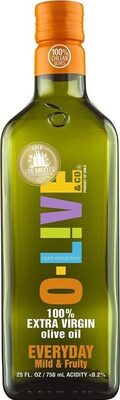 OLISUR S.A.
100% Extra Virgin Olive Oil
820kcal
0Protein
93.3Fat
0Carbs
CASTILLO DE CANENA
Extra Virgin Olive Oil
High in saturated fat — 75% DV per serving
3766kcal
0Protein
100Fat
0Carbs
RAFFAELA
Extra Virgin Olive Oil
827kcal
0Protein
93.3Fat
0Carbs
Entertainment Production House Inc.
Organic Grand Cru Olive Oil
800kcal
0Protein
93.3Fat
0Carbs
Batistini USA, LLC
Batistini Farms, Italian Classic Extra Virgin Olive Oil
800kcal
0Protein
93.3Fat
0Carbs
Family Dollar Stores Inc.
100% Extra Virgin Olive Oil
800kcal
0Protein
93.3Fat
0Carbs
Rosa Food Products Company Inc
Extra Virgin Olive Oil
800kcal
0Protein
93.3Fat
0Carbs
Certified Origins, Inc.
Toscano Pgi Premium Extra Virgin Olive Oil, Toscano Pgi
800kcal
0Protein
93.3Fat
0Carbs
Smart Foods LLC
Premium Select Extra Virgin Olive Oil
800kcal
0Protein
93.3Fat
0Carbs
Entertainment Production House Inc.
Grand Cru Olive Oil
800kcal
0Protein
93.3Fat
0Carbs
OLISUR S.A.
100% Extra Virgin Olive Oil
820kcal
0Protein
93.3Fat
0Carbs
CASTILLO DE CANENA
Extra Virgin Olive Oil
High in saturated fat — 75% DV per serving
3766kcal
0Protein
100Fat
0Carbs
RAFFAELA
Extra Virgin Olive Oil
827kcal
0Protein
93.3Fat
0Carbs
Entertainment Production House Inc.
Organic Grand Cru Olive Oil
800kcal
0Protein
93.3Fat
0Carbs
Batistini USA, LLC
Batistini Farms, Italian Classic Extra Virgin Olive Oil
800kcal
0Protein
93.3Fat
0Carbs
Family Dollar Stores Inc.
100% Extra Virgin Olive Oil
800kcal
0Protein
93.3Fat
0Carbs
Rosa Food Products Company Inc
Extra Virgin Olive Oil
800kcal
0Protein
93.3Fat
0Carbs
Certified Origins, Inc.
Toscano Pgi Premium Extra Virgin Olive Oil, Toscano Pgi
800kcal
0Protein
93.3Fat
0Carbs
Smart Foods LLC
Premium Select Extra Virgin Olive Oil
800kcal
0Protein
93.3Fat
0Carbs
Entertainment Production House Inc.
Grand Cru Olive Oil
800kcal
0Protein
93.3Fat
0Carbs
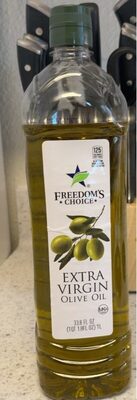 Defense Commissary Agency
Extra Virgin Olive Oil
833kcal
0Protein
93.3Fat
0Carbs
L and S Packing Co Inc
Paesana, Roasted Garlic Pasta Sauce
56kcal
1.6Protein
3.2Fat
5.6Carbs
Defense Commissary Agency
Extra Virgin Olive Oil
833kcal
0Protein
93.3Fat
0Carbs
L and S Packing Co Inc
Paesana, Roasted Garlic Pasta Sauce
56kcal
1.6Protein
3.2Fat
5.6Carbs