100% Mechanically
What is 100% Mechanically?
100% Mechanically refers to oils extracted from seeds or fruits using physical pressing methods, rather than chemical solvents. This process aims to retain more of the natural flavor and nutrients of the original plant material. Common sources include olives, sunflowers, and various nuts.
Is 100% Mechanically vegan?
100% Mechanically is not animal-derived. Products that contain it can still include other animal-derived ingredients, so check the full ingredient list.
Is 100% Mechanically a major allergen?
Not a major allergen, unless derived from a major allergen source like soy or sesame.
What is 100% Mechanically used for?
This type of oil is primarily used as a cooking oil and a base for salad dressings.
Is 100% Mechanically safe?
Oils are generally recognized as safe (GRAS) by the FDA for their intended use as food ingredients.
Why it's used
This type of oil is primarily used as a cooking oil and a base for salad dressings. Its natural flavor profile can enhance the taste of foods. It is found in a variety of products, including vegetable oils and specialty oils.
Health notes
Oils are generally recognized as safe (GRAS) by the FDA for their intended use as food ingredients. They provide essential fatty acids and fat-soluble vitamins. Regulatory bodies like JECFA and EFSA have evaluated fats and oils, generally considering them safe when consumed in moderation as part of a balanced diet. While some studies explore the health effects of specific types of oils, there are no widespread controversies regarding the use of mechanically extracted oils at typical consumption levels.
Allergen info
Not a major allergen, unless derived from a major allergen source like soy or sesame. Check specific product labeling for details.
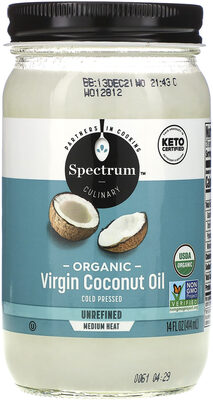
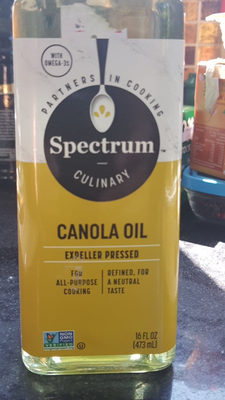
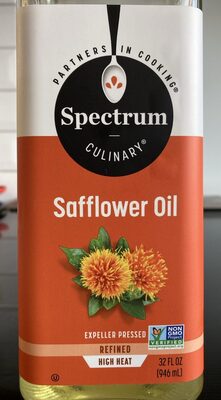
Foods that contain 100% Mechanically
Compare products →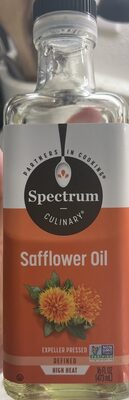
Learn more
Auto-generated content. This description was generated automatically and is pending editorial review. Inaccuracies are possible. Found a mistake? Contact us.