100% Stoneground Whole Wheat Flour
Auto-generated content. This description was generated automatically and is pending editorial review. Inaccuracies are possible. Found a mistake? Contact us.
What it is
100% Stoneground Whole Wheat Flour is a type of flour made from the entire wheat kernel, including the bran, germ, and endosperm. The term "stoneground" refers to a traditional milling process where the wheat kernels are ground between two large stones, which can result in a coarser texture and retain more of the grain's natural oils and nutrients.
Why it's used
Manufacturers use whole wheat flour to add bulk, texture, and nutritional value to food products. It is a primary ingredient in many baked goods, including breads, muffins, and pastries. Its presence contributes to a heartier texture and a distinct, nutty flavor compared to refined flours.
Health notes
Whole wheat flour is a common food ingredient and is generally recognized as safe (GRAS) for consumption. It is a good source of dietary fiber, which is important for digestive health. The Dietary Guidelines for Americans (2025-2030) recommend making at least half of your grain intake whole grains. There are no specific controversies regarding the safety of whole wheat flour itself, and international bodies like JECFA typically do not evaluate basic food ingredients like flour.
Allergen info
This ingredient is derived from wheat, which is one of the nine major food allergens identified by the FDA. It also contains gluten.
Products containing 100% Stoneground Whole Wheat Flour
Compare products →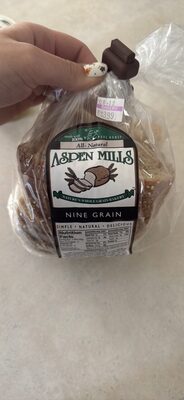 Aspen Mills Bread Co. of Utah
Nine Grain Bread
240kcal
10Protein
2.5Fat
47.5Carbs
Aspen Mills Bread Co. of Utah
Nine Grain Bread
240kcal
10Protein
2.5Fat
47.5Carbs
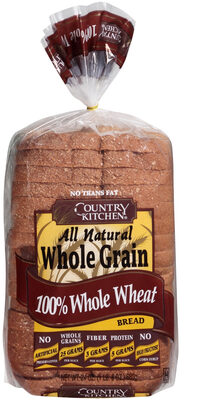 Lepage Bakeries, Inc.
100% Whole Wheat Bread, 100% Whole Wheat
256kcal
11.6Protein
4.7Fat
48.8Carbs
Lepage Bakeries, Inc.
100% Whole Wheat Bread, 100% Whole Wheat
256kcal
11.6Protein
4.7Fat
48.8Carbs