1/10 Percent Sodium Benzoate
Auto-generated content. This description was generated automatically and is pending editorial review. Inaccuracies are possible. Found a mistake? Contact us.
What it is
Sodium benzoate is a salt of benzoic acid, a chemical that occurs naturally in some fruits and spices. It is manufactured industrially by reacting toluene with chlorine to produce benzotrichloride, which is then hydrolyzed to benzoic acid. The benzoic acid is then neutralized with sodium hydroxide or sodium carbonate to form sodium benzoate.
Why it's used
Sodium benzoate is used as a preservative in many processed foods and beverages. It works by inhibiting the growth of bacteria, yeast, and mold, which helps extend the shelf life of products. It is commonly found in acidic foods like pickles, olives, relishes, salad dressings, and carbonated drinks.
Health notes
In the United States, sodium benzoate is generally recognized as safe (GRAS) by the FDA when used as a food preservative. Regulatory bodies like JECFA and EFSA have evaluated sodium benzoate and established acceptable daily intake levels. Some studies have explored potential links between sodium benzoate and hyperactivity in children, particularly when combined with artificial colors, but the evidence is mixed and not conclusive.
Allergen info
Sodium benzoate is not derived from any of the nine FDA major allergens. It does not contain gluten.
Products containing 1/10 Percent Sodium Benzoate
Compare products →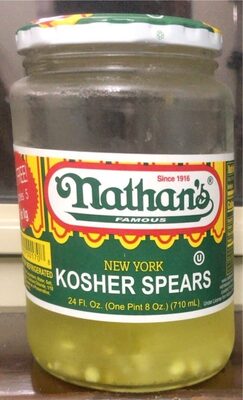 United Pickle Products Corporation
New York Kosher Spears, Kosher
18kcal
0Protein
0Fat
3.6Carbs
Hermann Pickle Farms
Kosher Pickle Chips, Hot & Spicy
18kcal
0Protein
0Fat
3.6Carbs
United Pickle Products Corporation
New York Cut Sauerkraut
High in sodium — 48% DV per serving
21kcal
0.8Protein
0Fat
4.2Carbs
United Pickle Products Corporation
New York Kosher Spears, Kosher
18kcal
0Protein
0Fat
3.6Carbs
Hermann Pickle Farms
Kosher Pickle Chips, Hot & Spicy
18kcal
0Protein
0Fat
3.6Carbs
United Pickle Products Corporation
New York Cut Sauerkraut
High in sodium — 48% DV per serving
21kcal
0.8Protein
0Fat
4.2Carbs
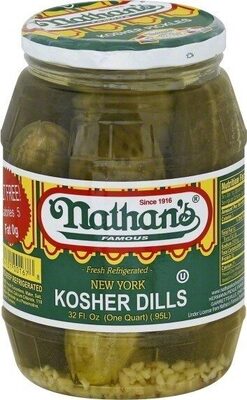 United Pickle Products Corporation
New York Kosher Dills
18kcal
0Protein
0Fat
3.6Carbs
United Pickle Products Corporation
New York Kosher Dills
18kcal
0Protein
0Fat
3.6Carbs
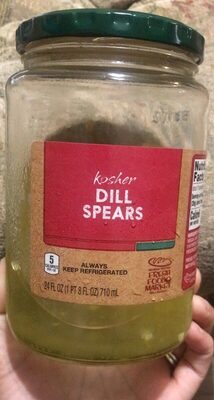 Harris-Teeter Inc.
Harris Teeter, Fresh Foods Market, Kosher Dill Spears
18kcal
0Protein
0Fat
3.6Carbs
Wakefern Food Corporation
Shoprite, Kosher Dill Chips
16kcal
0Protein
0Fat
3.1Carbs
Harris-Teeter Inc.
Harris Teeter, Fresh Foods Market, Kosher Dill Spears
18kcal
0Protein
0Fat
3.6Carbs
Wakefern Food Corporation
Shoprite, Kosher Dill Chips
16kcal
0Protein
0Fat
3.1Carbs
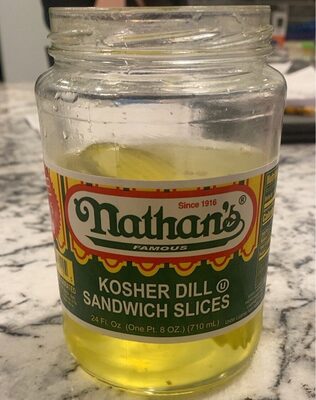 Hermann Pickle Farms
Kosher Dill Sandwich Slices, Kosher Dill
18kcal
0Protein
0Fat
3.6Carbs
Hermann Pickle Farms
Kosher Dill Sandwich Slices, Kosher Dill
18kcal
0Protein
0Fat
3.6Carbs