12 Grain Blend
What is 12 Grain Blend?
A mixture of 12 different types of grains, which may include wheat, rye, oats, barley, corn, millet, rice, sorghum, triticale, buckwheat, quinoa, and amaranth. The specific grains used can vary by manufacturer. These grains are typically milled or processed into flour or flakes before being blended.
Is 12 Grain Blend vegan?
12 Grain Blend is not animal-derived. Products that contain it can still include other animal-derived ingredients, so check the full ingredient list.
Is 12 Grain Blend gluten-free?
It may also contain gluten depending on the specific grains included in the blend.
Is 12 Grain Blend a major allergen?
This ingredient may contain wheat, which is one of the FDA's major allergens.
What is 12 Grain Blend used for?
Manufacturers use 12 grain blends to add texture, flavor, and nutritional value to baked goods.
Is 12 Grain Blend safe?
12 Grain Blend is a food ingredient and is not subject to FDA approval as a food additive.
Why it's used
Manufacturers use 12 grain blends to add texture, flavor, and nutritional value to baked goods. They are commonly found in breads, buns, crackers, and cereals, contributing a hearty, wholesome character.
Health notes
12 Grain Blend is a food ingredient and is not subject to FDA approval as a food additive. It is generally recognized as safe (GRAS) when used as intended. Whole grains are a source of fiber and nutrients. Regulatory bodies like EFSA have evaluated various whole grains and their components, generally recognizing their role in a balanced diet. Evidence suggests diets rich in whole grains are associated with various health benefits.
Allergen info
This ingredient may contain wheat, which is one of the FDA's major allergens. It may also contain gluten depending on the specific grains included in the blend.
Foods that contain 12 Grain Blend
Compare products →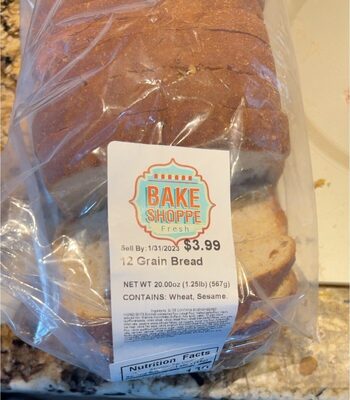
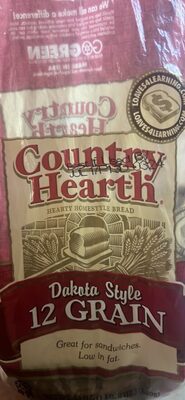
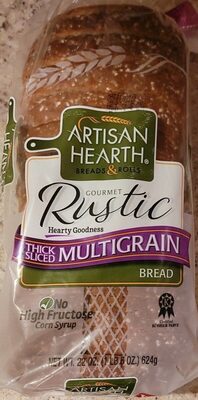
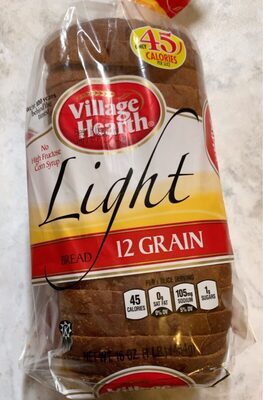
Learn more
Auto-generated content. This description was generated automatically and is pending editorial review. Inaccuracies are possible. Found a mistake? Contact us.