2.5% Non Gmo Tapioca Maltodextrin
What is 2.5% Non Gmo Tapioca Maltodextrin?
Tapioca maltodextrin is a carbohydrate derived from tapioca, a starch extracted from the cassava root. It is produced by partially hydrolyzing the tapioca starch, breaking down the long chains of glucose into shorter ones. This process results in a white, powdery substance that is easily digestible.
Is 2.5% Non Gmo Tapioca Maltodextrin vegan?
2.5% Non Gmo Tapioca Maltodextrin is not animal-derived. Products that contain it can still include other animal-derived ingredients, so check the full ingredient list.
Is 2.5% Non Gmo Tapioca Maltodextrin gluten-free?
It is gluten-free.
Is 2.5% Non Gmo Tapioca Maltodextrin a major allergen?
Not a major allergen.
What is 2.5% Non Gmo Tapioca Maltodextrin used for?
Manufacturers add tapioca maltodextrin as a thickener, stabilizer, or bulking agent.
Is 2.5% Non Gmo Tapioca Maltodextrin safe?
Tapioca maltodextrin is generally recognized as safe (GRAS) by the FDA.
Why it's used
Manufacturers add tapioca maltodextrin as a thickener, stabilizer, or bulking agent. It can also be used as a sweetener or to improve the texture and mouthfeel of foods. You can find it in a variety of products, including baked goods, sauces, candies, and dairy alternatives.
Health notes
Tapioca maltodextrin is generally recognized as safe (GRAS) by the FDA. It is a carbohydrate and provides calories, but it is broken down quickly by the body. JECFA has evaluated maltodextrins and established an acceptable daily intake. Evidence does not suggest adverse health effects from typical consumption.
Allergen info
Not a major allergen. It is gluten-free.
Foods that contain 2.5% Non Gmo Tapioca Maltodextrin
Compare products →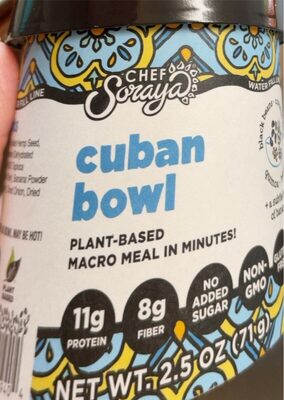 American Outdoor Products, Inc.
Cuban Black Beans, Coconut Rice, Quinoa, Hemp + Subtle Hint Of Banana Bowl, Cuban
High in sodium — 25% DV per serving
394kcal
15.5Protein
9.9Fat
62.0Carbs
American Outdoor Products, Inc.
Cuban Black Beans, Coconut Rice, Quinoa, Hemp + Subtle Hint Of Banana Bowl, Cuban
High in sodium — 25% DV per serving
394kcal
15.5Protein
9.9Fat
62.0Carbs
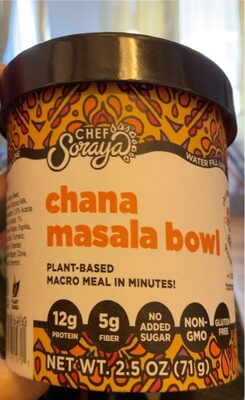 American Outdoor Products, Inc.
Chana Masala Chickpeas, Rice, Quinoa, Hemp + Coconut Turmeric Curry Bowl, Chana Masala
High in sodium — 25% DV per serving
408kcal
16.9Protein
12.7Fat
57.8Carbs
SUGAR AND SPUN
Gourmet Cotton Candy
High in added sugars — 90% DV per serving
396kcal
0Protein
2.1Fat
97.9Carbs
American Outdoor Products, Inc.
Chana Masala Chickpeas, Rice, Quinoa, Hemp + Coconut Turmeric Curry Bowl, Chana Masala
High in sodium — 25% DV per serving
408kcal
16.9Protein
12.7Fat
57.8Carbs
SUGAR AND SPUN
Gourmet Cotton Candy
High in added sugars — 90% DV per serving
396kcal
0Protein
2.1Fat
97.9Carbs
Learn more
Auto-generated content. This description was generated automatically and is pending editorial review. Inaccuracies are possible. Found a mistake? Contact us.