48 Mg/kg Niacin
Auto-generated content. This description was generated automatically and is pending editorial review. Inaccuracies are possible. Found a mistake? Contact us.
What it is
Niacin, also known as vitamin B3, is a water-soluble vitamin. It is found naturally in foods like meat, fish, eggs, and grains. It can also be manufactured synthetically for use in food fortification and supplements.
Why it's used
Niacin is added to foods as a nutrient to help fortify them and prevent deficiencies. It is commonly found in enriched grain products such as bread, cereals, pasta, and crackers. It plays a role in energy metabolism in the body.
Health notes
Niacin is Generally Recognized As Safe (GRAS) by the FDA when used as a nutrient. The National Academies have established an upper intake level (UL) for niacin. JECFA and EFSA have evaluated niacin and established acceptable daily intakes. At typical food fortification levels, niacin is safe. High doses, usually from supplements, can cause flushing, itching, and liver problems.
Allergen info
Niacin itself is not one of the 9 FDA major allergens. It is not derived from any of them. It does not contain gluten.
Products containing 48 Mg/kg Niacin
Compare products →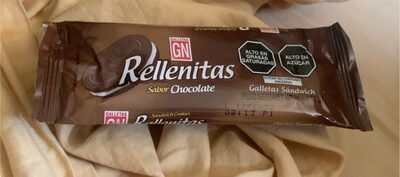 Shoresystems
Chocolate Sandwich Cookies, Chocolate; Vanilla
High in added sugars — 22% DV per serving
500kcal
5.6Protein
19.4Fat
72.2Carbs
Shoresystems
Chocolate Sandwich Cookies, Chocolate; Vanilla
High in added sugars — 22% DV per serving
500kcal
5.6Protein
19.4Fat
72.2Carbs
 Shoresystems
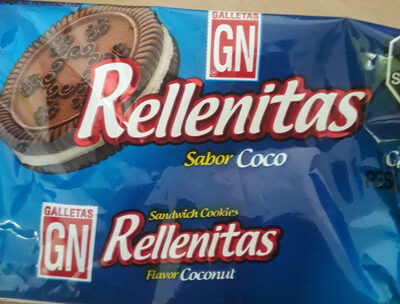
Coconut Flavored Sandwich Cookies, Coconut; Chocolate
High in added sugars — 22% DV per serving
500kcal
5.6Protein
19.4Fat
72.2Carbs
Shoresystems
Coconut Flavored Sandwich Cookies, Coconut; Chocolate
High in added sugars — 22% DV per serving
500kcal
5.6Protein
19.4Fat
72.2Carbs