90% Egcg
What is 90% Egcg?
Epigallocatechin gallate (EGCG) is a type of catechin, a natural compound found in green tea. It is extracted from green tea leaves and purified for use as a dietary supplement and food ingredient.
Is 90% Egcg vegan?
90% Egcg is not animal-derived. Products that contain it can still include other animal-derived ingredients, so check the full ingredient list.
Is 90% Egcg gluten-free?
It does not contain gluten.
Is 90% Egcg a major allergen?
EGCG is derived from tea leaves and is not one of the nine major allergens.
What is 90% Egcg used for?
EGCG is primarily used for its antioxidant properties.
Is 90% Egcg safe?
EGCG is available as a dietary supplement and is generally recognized as safe (GRAS) by the FDA for certain uses.
Why it's used
EGCG is primarily used for its antioxidant properties. It is often added to energy drinks, sports drinks, and other beverages marketed for health benefits or performance enhancement.
Health notes
EGCG is available as a dietary supplement and is generally recognized as safe (GRAS) by the FDA for certain uses. Some research suggests EGCG may have antioxidant and anti-inflammatory effects. However, high doses of concentrated EGCG supplements have been linked to liver injury in rare cases. Regulatory bodies like EFSA have evaluated green tea extracts, but specific evaluations for EGCG alone may vary. Evidence on its health benefits is still being studied.
Allergen info
EGCG is derived from tea leaves and is not one of the nine major allergens. It does not contain gluten.
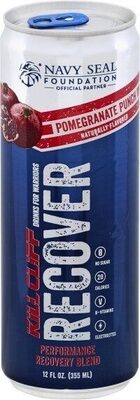
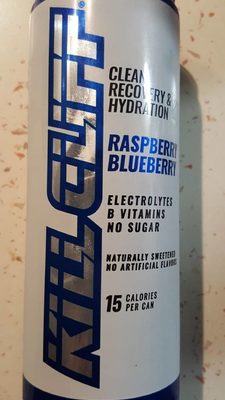
Foods that contain 90% Egcg
Compare products →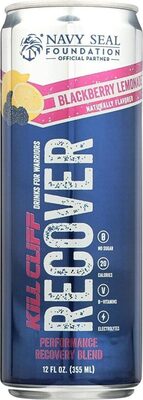
Auto-generated content. This description was generated automatically and is pending editorial review. Inaccuracies are possible. Found a mistake? Contact us.