Acidity Corrector
Auto-generated content. This description was generated automatically and is pending editorial review. Inaccuracies are possible. Found a mistake? Contact us.
What it is
Acidity correctors are substances used to adjust or control the acidity or alkalinity of foods. They can be naturally occurring or synthetically produced. Their production methods vary widely depending on the specific substance.
Why it's used
Manufacturers add acidity correctors to control pH levels, which can affect flavor, texture, and preservation. They are commonly found in processed foods like canned goods, dairy products, baked goods, and beverages to ensure consistent product quality and taste.
Health notes
Many acidity correctors are generally recognized as safe (GRAS) by the FDA or approved food additives. Regulatory bodies like JECFA and EFSA have evaluated many of these substances. At typical consumption levels, they are not associated with adverse health effects. Evidence for health impacts is generally based on the specific compound used.
Allergen info
Not a major allergen. Gluten status depends on the specific acidity corrector and its source.
Products containing Acidity Corrector
Compare products →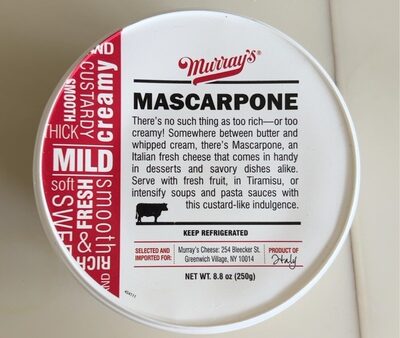 Murray's Products LLC
Mascarpone
High in saturated fat — 43% DV per serving
429kcal
3.6Protein
42.9Fat
3.6Carbs
Lava Cakes
High in saturated fat — 60% DV per serving
High in added sugars — 60% DV per serving
High in cholesterol — 23% DV per serving
456kcal
6.7Protein
27.8Fat
43.3Carbs
George DeLallo Co., Inc.
Potato Gnocchi, Potato
High in sodium — 24% DV per serving
164kcal
4.3Protein
0Fat
35.7Carbs
George DeLallo Co., Inc.
Potato Mini Gnocchi, Potato
High in sodium — 24% DV per serving
164kcal
4.3Protein
0Fat
35.7Carbs
Murray's Products LLC
Mascarpone
High in saturated fat — 43% DV per serving
429kcal
3.6Protein
42.9Fat
3.6Carbs
Lava Cakes
High in saturated fat — 60% DV per serving
High in added sugars — 60% DV per serving
High in cholesterol — 23% DV per serving
456kcal
6.7Protein
27.8Fat
43.3Carbs
George DeLallo Co., Inc.
Potato Gnocchi, Potato
High in sodium — 24% DV per serving
164kcal
4.3Protein
0Fat
35.7Carbs
George DeLallo Co., Inc.
Potato Mini Gnocchi, Potato
High in sodium — 24% DV per serving
164kcal
4.3Protein
0Fat
35.7Carbs