Active Cultures
What is Active Cultures?
Active cultures are live microorganisms, often bacteria or yeasts, that are intentionally added to foods. They are typically found in fermented foods like yogurt, kefir, and kombucha, where they play a key role in the fermentation process.
Is Active Cultures a major allergen?
Active cultures themselves are not typically considered major allergens.
What is Active Cultures used for?
Active cultures are added to foods to contribute to fermentation, which can improve flavor, texture, and shelf life.
Is Active Cultures safe?
Active cultures are generally recognized as safe (GRAS) by the FDA for use in foods.
Why it's used
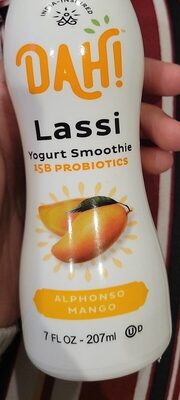
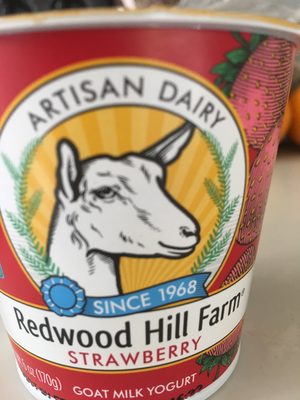
Active cultures are added to foods to contribute to fermentation, which can improve flavor, texture, and shelf life. They are most commonly found in dairy products like yogurt and kefir, as well as in fermented beverages like kombucha.
Health notes
Active cultures are generally recognized as safe (GRAS) by the FDA for use in foods. Some research suggests that consuming foods with active cultures may support gut health, though more studies are needed to fully understand these effects. JECFA and EFSA have evaluated various specific strains of bacteria used as active cultures. Evidence on the health benefits of active cultures is still developing, and effects can vary depending on the specific strains present and the amount consumed.
Allergen info
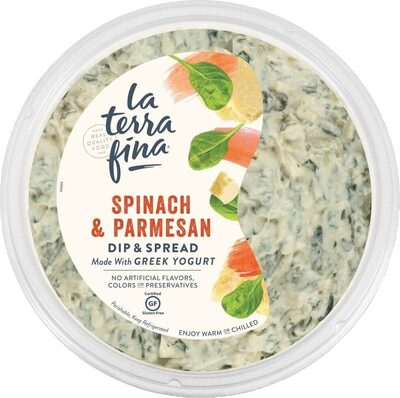
Active cultures themselves are not typically considered major allergens. However, they may be produced in or come into contact with other ingredients that are major allergens, such as milk in yogurt.
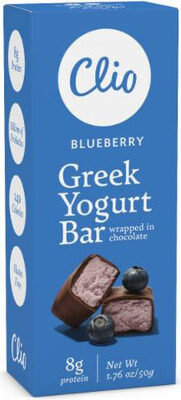
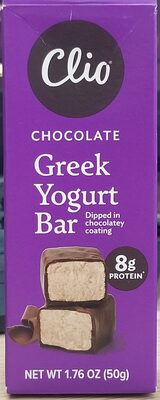
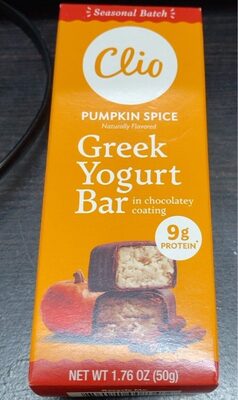
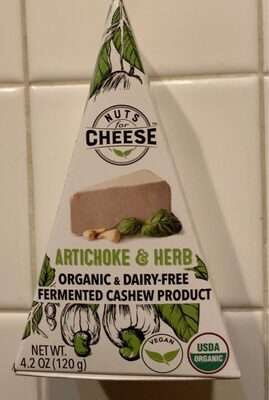
Foods that contain Active Cultures
Compare products →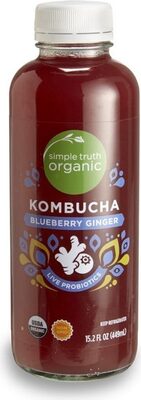












Auto-generated content. This description was generated automatically and is pending editorial review. Inaccuracies are possible. Found a mistake? Contact us.