Added To Prevent Caking
Auto-generated content. This description was generated automatically and is pending editorial review. Inaccuracies are possible. Found a mistake? Contact us.
What it is
Anti-caking agents are substances added to powdered or granulated foods to prevent clumping. They work by absorbing moisture and coating particles, keeping them separate. Common anti-caking agents include silicon dioxide, calcium silicate, and magnesium carbonate, often derived from mineral sources.
Why it's used
Manufacturers add anti-caking agents to powdered and granular foods to ensure they flow freely and are easy to measure and mix. They are commonly found in products like shredded cheese, powdered sugar, salt, and spice blends.
Health notes
Many anti-caking agents, such as silicon dioxide and calcium silicate, are Generally Recognized As Safe (GRAS) by the FDA for use in food. International bodies like JECFA and EFSA have also evaluated these substances. At typical consumption levels, they are not associated with adverse health effects. Evidence does not suggest significant health concerns for these common anti-caking agents.
Allergen info
Anti-caking agents are not derived from major allergens and do not contain gluten. Not a major allergen.
Products containing Added To Prevent Caking
Compare products →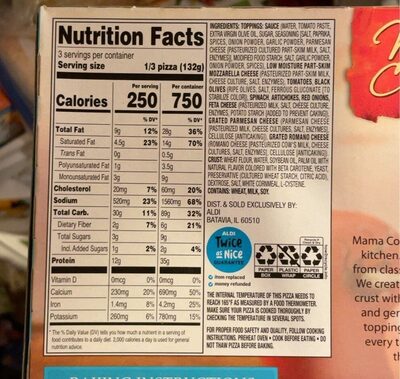 MAMA COZZI'S
Mediterranean Style Flatbread Pizza, Mediterranean Style
High in sodium — 23% DV per serving
High in saturated fat — 23% DV per serving
189kcal
9.1Protein
6.8Fat
22.7Carbs
CLANCY'S
Cheddar Party Mix
433kcal
6.7Protein
10Fat
63.3Carbs
CLANCY'S
Traditional Party Mix
379kcal
6.9Protein
12.1Fat
62.1Carbs
MAMA COZZI'S
Mediterranean Style Flatbread Pizza, Mediterranean Style
High in sodium — 23% DV per serving
High in saturated fat — 23% DV per serving
189kcal
9.1Protein
6.8Fat
22.7Carbs
CLANCY'S
Cheddar Party Mix
433kcal
6.7Protein
10Fat
63.3Carbs
CLANCY'S
Traditional Party Mix
379kcal
6.9Protein
12.1Fat
62.1Carbs