Auto-generated content.
This description was generated automatically and is pending editorial review.
Inaccuracies are possible. Found a mistake? Contact us.
Source
Animal-derived
Allergen
No
Role in food
Manufacturers add Aged Asiago cheese primarily for its strong flavor and texture. It is …
What it is
Aged Asiago cheese is a firm, granular cheese originating from the Veneto region of Italy. It is made from cow's milk and aged for at least 6 months, which gives it a sharp, nutty flavor and a crumbly texture.
Why it's used
Manufacturers add Aged Asiago cheese primarily for its strong flavor and texture. It is often grated over pasta dishes, used in sauces, or incorporated into baked goods like bread and pizza crusts.
Health notes
Aged Asiago cheese is generally recognized as safe (GRAS) by the FDA when used as a food ingredient. It is a source of protein, calcium, and other nutrients. Regulatory bodies like EFSA have evaluated cheese and dairy products, and JECFA has evaluated specific cheese-related ingredients. Like other aged cheeses, it can be high in sodium and saturated fat.
Allergen info
Aged Asiago cheese is derived from milk, which is one of the nine major allergens recognized by the FDA. It does not contain gluten.
Note:
This site presents label data from USDA FoodData Central for general information. It is not medical advice.
Check the package label; formulations change.
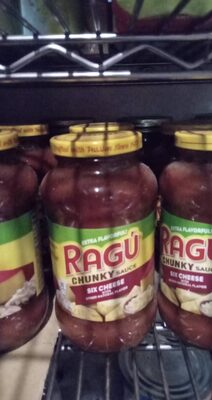 Mizkan America, Inc.
Six Cheese Sauce, Cheese
High in sodium — 21% DV per serving
70kcal
2.3Protein
1.9Fat
10.8Carbs
Mizkan America, Inc.
Four Cheese Rosa With Vine-Ripened Tomatoes Sauce, Four Cheese Rosa
175kcal
3.2Protein
15.9Fat
7.9Carbs
Mizkan America, Inc.
Six Cheese Sauce, Cheese
High in sodium — 21% DV per serving
70kcal
2.3Protein
1.9Fat
10.8Carbs
Mizkan America, Inc.
Four Cheese Rosa With Vine-Ripened Tomatoes Sauce, Four Cheese Rosa
175kcal
3.2Protein
15.9Fat
7.9Carbs