Aged Over 180 Days Pasteurized Milk
Auto-generated content. This description was generated automatically and is pending editorial review. Inaccuracies are possible. Found a mistake? Contact us.
What it is
This is milk that has been heated to at least 161°F (72°C) for 15 seconds to kill harmful bacteria. It is then aged for at least 180 days, which helps develop its flavor and texture. This aging process is common for many types of cheese.
Why it's used
Manufacturers use aged pasteurized milk as the primary ingredient in many cheeses. The aging process allows for the development of complex flavors and a firmer texture, making it suitable for cheeses intended for spreading or slicing.
Health notes
Pasteurized milk is a common food ingredient and is generally recognized as safe (GRAS) by the FDA. It is a source of nutrients like calcium and vitamin D. International bodies like JECFA have evaluated milk products. Typical consumption of milk and dairy products is associated with bone health.
Allergen info
Milk is one of the 9 major allergens identified by the FDA. This ingredient is derived from milk.
Products containing Aged Over 180 Days Pasteurized Milk
Compare products →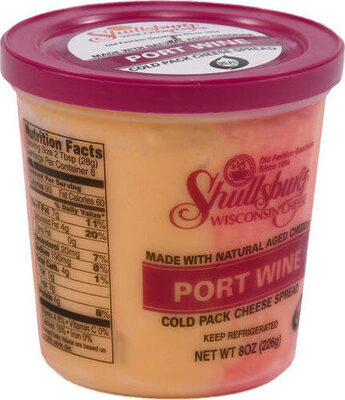 Shullsburg Creamery II, LLC
Port Wine Cold Pack Cheese Spread, Port Wine
High in saturated fat — 20% DV per serving
321kcal
14.3Protein
25Fat
14.3Carbs
Empire Cheese Inc.
Horseradish Cold Pack Cheese Spread
321kcal
17.9Protein
25Fat
10.7Carbs
Shullsburg Creamery II, LLC
Port Wine Cold Pack Cheese Spread, Port Wine
High in saturated fat — 20% DV per serving
321kcal
14.3Protein
25Fat
14.3Carbs
Empire Cheese Inc.
Horseradish Cold Pack Cheese Spread
321kcal
17.9Protein
25Fat
10.7Carbs
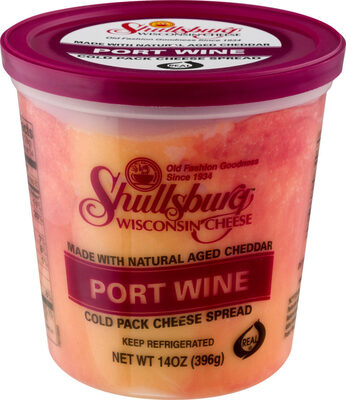 Shullsburg Creamery II, LLC
Port Wine Cold Pack Cheese Spread, Port Wine
High in saturated fat — 20% DV per serving
321kcal
14.3Protein
25Fat
14.3Carbs
Shullsburg Creamery II, LLC
Horseradish Cold Pack Cheese Spread, Horseradish
High in saturated fat — 20% DV per serving
321kcal
14.3Protein
25Fat
14.3Carbs
Shullsburg Creamery II, LLC
Port Wine Cold Pack Cheese Spread, Port Wine
High in saturated fat — 20% DV per serving
321kcal
14.3Protein
25Fat
14.3Carbs
Shullsburg Creamery II, LLC
Horseradish Cold Pack Cheese Spread, Horseradish
High in saturated fat — 20% DV per serving
321kcal
14.3Protein
25Fat
14.3Carbs
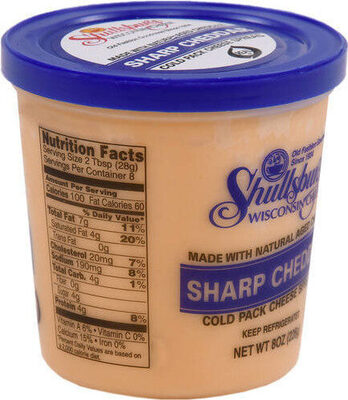 Shullsburg Creamery II, LLC
Sharp Cheddar Cold Pack Cheese Spread, Sharp Cheddar
High in saturated fat — 20% DV per serving
357kcal
14.3Protein
25Fat
14.3Carbs
Shullsburg Creamery II, LLC
Sharp Cheddar Cold Pack Cheese Spread, Sharp Cheddar
High in saturated fat — 20% DV per serving
357kcal
14.3Protein
25Fat
14.3Carbs
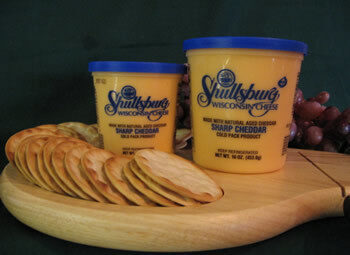 Shullsburg Creamery II, LLC
Sharp Cheddar Cold Pack Cheese Spread, Sharp Cheddar
High in saturated fat — 20% DV per serving
357kcal
14.3Protein
25Fat
14.3Carbs
Shullsburg Creamery II, LLC
Sharp Cheddar Cold Pack Cheese Spread, Sharp Cheddar
High in saturated fat — 20% DV per serving
357kcal
14.3Protein
25Fat
14.3Carbs