All Purpose Vegetable Shortening
Auto-generated content. This description was generated automatically and is pending editorial review. Inaccuracies are possible. Found a mistake? Contact us.
What it is
All-purpose vegetable shortening is a solid fat made from vegetable oils, such as palm, soybean, or cottonseed oil. These oils are processed, often through hydrogenation or interesterification, to achieve a solid texture at room temperature.
Why it's used
Manufacturers use vegetable shortening to create flaky textures in baked goods like pie crusts and biscuits, and to make cookies tender. It is also valued for its high melting point, which makes it suitable for frying.
Health notes
Vegetable shortening, being a fat, contributes to the fat content of foods. Historically, many vegetable shortenings were made with partially hydrogenated oils (PHOs), which were a significant source of artificial trans fat. The FDA determined that PHOs are no longer Generally Recognized As Safe (GRAS) for use in food, effective in 2018, which has largely removed artificial trans fats from the food supply. Modern vegetable shortenings are typically made using full hydrogenation or interesterification to achieve a solid texture without creating trans fats. JECFA has evaluated dietary fats and oils, but not specific "all-purpose vegetable shortening" as a single additive.
Allergen info
Not a major allergen.
Products containing All Purpose Vegetable Shortening
Compare products →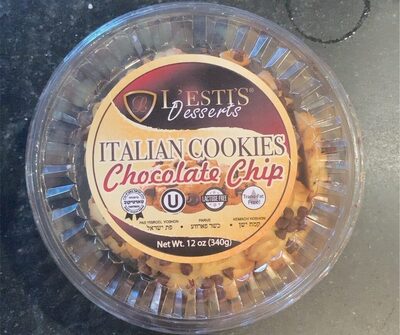 Lestis Desserts Enterprises Inc.
Chocolate Chip Italian Cookies, Chocolate Chip
536kcal
7.1Protein
35.7Fat
21.4Carbs
Lestis Desserts Enterprises Inc.
Apricot Italian Cookies, Apricot
536kcal
7.1Protein
32.1Fat
21.4Carbs
Lestis Desserts Enterprises Inc.
Chocolate Chip Italian Cookies, Chocolate Chip
536kcal
7.1Protein
35.7Fat
21.4Carbs
Lestis Desserts Enterprises Inc.
Apricot Italian Cookies, Apricot
536kcal
7.1Protein
32.1Fat
21.4Carbs