Alpha Tocopheryl Acetate
Auto-generated content. This description was generated automatically and is pending editorial review. Inaccuracies are possible. Found a mistake? Contact us.
What it is
Alpha-tocopheryl acetate is a synthetic form of vitamin E, a fat-soluble nutrient found naturally in many foods. It is made by chemically combining alpha-tocopherol (vitamin E) with acetic acid. This process creates a more stable compound that is less likely to degrade when exposed to air or light.
Why it's used
Manufacturers add alpha-tocopheryl acetate to foods as a source of vitamin E, acting as a nutrient fortifier. It is commonly found in fortified beverages, cereals, and other processed foods where maintaining vitamin E levels is important.
Health notes
Alpha-tocopheryl acetate is generally recognized as safe (GRAS) by the FDA when used as a nutrient supplement. Vitamin E is an essential nutrient that plays a role in antioxidant functions within the body. JECFA and EFSA have evaluated vitamin E and its derivatives, establishing acceptable daily intakes. At typical dietary levels, it is considered safe and beneficial as a source of vitamin E.
Allergen info
Not a major allergen. It is not derived from any of the nine major allergens, nor does it contain gluten.
Products containing Alpha Tocopheryl Acetate
Compare products →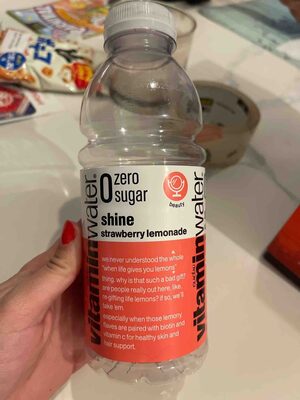 Energy Brands Inc.-Glaceau
Glaceau Vitaminwater, Nutrient Enhanced Water Beverage, Strawberry Lemonade
0kcal
0Protein
0Fat
0.8Carbs
Energy Brands Inc.-Glaceau
Nutrient Enhanced Iced Tea Beverage
20kcal
0Protein
0Fat
5.5Carbs
Energy Brands Inc.-Glaceau
Glaceau Vitaminwater, Nutrient Enhanced Water Beverage, Strawberry Lemonade
0kcal
0Protein
0Fat
0.8Carbs
Energy Brands Inc.-Glaceau
Nutrient Enhanced Iced Tea Beverage
20kcal
0Protein
0Fat
5.5Carbs
 Energy Brands Inc.-Glaceau
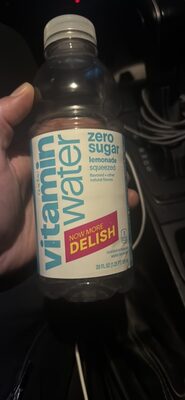
Zero Squeezed, Lemonade, Lemonade
0kcal
0Protein
—Fat
0.8Carbs
Energy Brands Inc.-Glaceau
Zero Squeezed, Lemonade, Lemonade
0kcal
0Protein
—Fat
0.8Carbs
 Energy Brands Inc.-Glaceau
Essential Orange-Orange Flavored Nutrient Enhanced Water Beverage, Essential
20kcal
0Protein
—Fat
5.6Carbs
Energy Brands Inc.-Glaceau
Essential Orange-Orange Flavored Nutrient Enhanced Water Beverage, Essential
20kcal
0Protein
—Fat
5.6Carbs
 Pepsico Inc.
Quaker Oatmeal Squares with a hint of Cinnamon Crunchy Oat Cereal 21 Ounce Box
379kcal
11.2Protein
4.9Fat
78.1Carbs
Pepsico Inc.
Quaker Oatmeal Squares with a hint of Cinnamon Crunchy Oat Cereal 21 Ounce Box
379kcal
11.2Protein
4.9Fat
78.1Carbs
 Pepsico Inc.
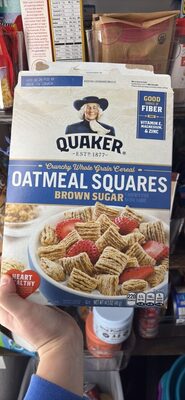
Quaker Oatmeal Squares Brown Sugar 14.5 Ounce Paper Box
379kcal
11.4Protein
4.8Fat
77.8Carbs
Pepsico Inc.
Quaker Big Chewy Caramel Popcorn Crunch Granola Bars 1.41 Ounce Plastic Bag
418kcal
4.9Protein
12.6Fat
73.5Carbs
Pepsico Inc.
Quaker Fruit & Oatmeal Frtflledbr Berry 10.4Z
351kcal
2.7Protein
6.8Fat
70.3Carbs
Western Family Foods, Inc.
Juice Cocktail, Mango Peach, Mango Peach
33kcal
0Protein
0Fat
8.3Carbs
Pepsico Inc.
Quaker Oatmeal Squares Brown Sugar 14.5 Ounce Paper Box
379kcal
11.4Protein
4.8Fat
77.8Carbs
Pepsico Inc.
Quaker Big Chewy Caramel Popcorn Crunch Granola Bars 1.41 Ounce Plastic Bag
418kcal
4.9Protein
12.6Fat
73.5Carbs
Pepsico Inc.
Quaker Fruit & Oatmeal Frtflledbr Berry 10.4Z
351kcal
2.7Protein
6.8Fat
70.3Carbs
Western Family Foods, Inc.
Juice Cocktail, Mango Peach, Mango Peach
33kcal
0Protein
0Fat
8.3Carbs
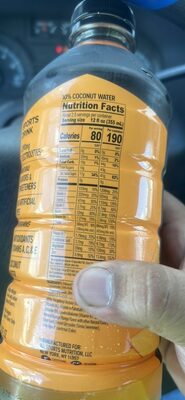 Body Armor Nutrition, LLC
Orange Mango Superdrink
30kcal
0Protein
0Fat
7.6Carbs
Body Armor Nutrition, LLC
Orange Mango Superdrink
30kcal
0Protein
0Fat
7.6Carbs