And 2% Or Less Organic Canola Oil
What is And 2% Or Less Organic Canola Oil?
Canola oil is a vegetable oil made from the seeds of the canola plant. It is processed to remove impurities and then refined, bleached, and deodorized. The 'organic' label means the canola seeds were grown without synthetic pesticides or fertilizers.
Is And 2% Or Less Organic Canola Oil vegan?
And 2% Or Less Organic Canola Oil is not animal-derived. Products that contain it can still include other animal-derived ingredients, so check the full ingredient list.
Is And 2% Or Less Organic Canola Oil gluten-free?
It does not contain gluten.
Is And 2% Or Less Organic Canola Oil a major allergen?
Canola oil is not derived from any of the 9 major allergens.
What is And 2% Or Less Organic Canola Oil used for?
Canola oil is a versatile cooking oil used in many processed foods.
Is And 2% Or Less Organic Canola Oil safe?
Canola oil is Generally Recognized As Safe (GRAS) by the FDA for use in food.
Why it's used
Canola oil is a versatile cooking oil used in many processed foods. It adds moisture and richness, and helps blend ingredients together. It is commonly found in baked goods, dressings, and fried foods.
Health notes
Canola oil is Generally Recognized As Safe (GRAS) by the FDA for use in food. It is a source of monounsaturated and polyunsaturated fats, including omega-3 fatty acids. Regulatory bodies like JECFA and EFSA have evaluated canola oil. Some studies suggest potential benefits from its fatty acid profile, while others raise questions about processing methods, though evidence is mixed.
Allergen info
Canola oil is not derived from any of the 9 major allergens. It does not contain gluten.
Foods that contain And 2% Or Less Organic Canola Oil
Compare products →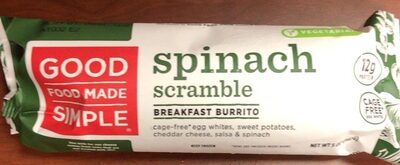
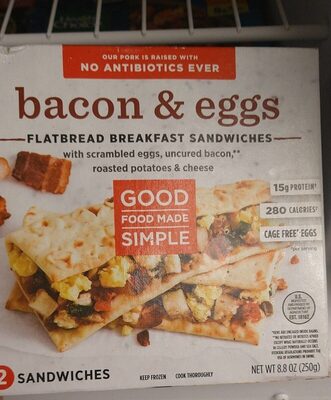
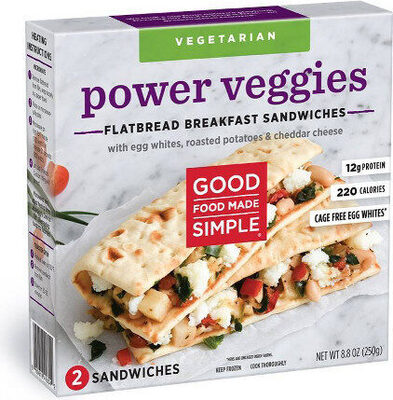
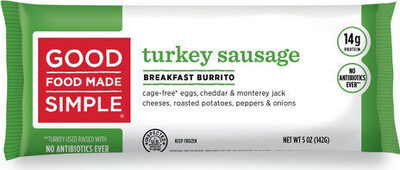
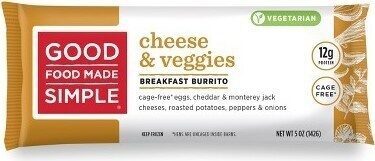
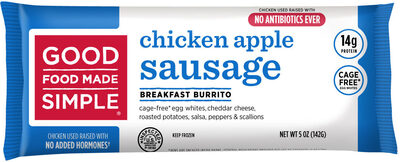
Learn more
Auto-generated content. This description was generated automatically and is pending editorial review. Inaccuracies are possible. Found a mistake? Contact us.