And Less Than 2% Soybean Oil Added As A Processing Aid
What is And Less Than 2% Soybean Oil Added As A Processing Aid?
Soybean oil is a vegetable oil extracted from the seeds of the soybean plant. It is one of the most widely used cooking oils in the United States. The oil is typically extracted using mechanical pressing or solvent extraction, followed by refining processes.
Is And Less Than 2% Soybean Oil Added As A Processing Aid vegan?
And Less Than 2% Soybean Oil Added As A Processing Aid is not animal-derived. Products that contain it can still include other animal-derived ingredients, so check the full ingredient list.
Is And Less Than 2% Soybean Oil Added As A Processing Aid a major allergen?
Soybean oil is derived from soybeans, which are one of the nine FDA major allergens.
What is And Less Than 2% Soybean Oil Added As A Processing Aid used for?
Soybean oil is frequently added to food products as a processing aid.
Is And Less Than 2% Soybean Oil Added As A Processing Aid safe?
Soybean oil is generally recognized as safe (GRAS) by the FDA for use in food.
Why it's used
Soybean oil is frequently added to food products as a processing aid. This means it helps with the manufacturing process, such as preventing sticking or aiding in mixing ingredients. It is commonly found in seasoning mixes, marinades, and spice blends.
Health notes
Soybean oil is generally recognized as safe (GRAS) by the FDA for use in food. It is a source of polyunsaturated and monounsaturated fats. JECFA has evaluated soybean oil and established an acceptable daily intake.
Allergen info
Soybean oil is derived from soybeans, which are one of the nine FDA major allergens. Therefore, it is considered a major allergen.
Foods that contain And Less Than 2% Soybean Oil Added As A Processing Aid
Compare products →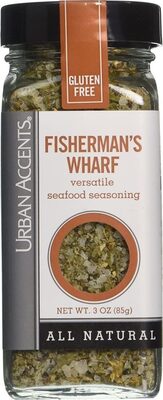
Learn more
Auto-generated content. This description was generated automatically and is pending editorial review. Inaccuracies are possible. Found a mistake? Contact us.