And Riboflavin
Auto-generated content. This description was generated automatically and is pending editorial review. Inaccuracies are possible. Found a mistake? Contact us.
What it is
Riboflavin, also known as Vitamin B2, is a water-soluble vitamin that occurs naturally in foods like eggs, meat, dairy, and green vegetables. It can also be produced commercially through fermentation or chemical synthesis. Riboflavin plays a vital role in energy production and cell function in the body.
Why it's used
Riboflavin is often added to foods as a nutrient to fortify them, helping consumers meet their daily vitamin needs. It is commonly found in enriched grain products such as bread, cereals, and pasta, as well as in some beverages and dairy products. Its bright yellow color can also contribute to the appearance of some foods.
Health notes
Riboflavin is generally recognized as safe (GRAS) by the FDA when used as a nutrient or food additive. The European Food Safety Authority (EFSA) has also evaluated riboflavin and found it safe. It is an essential nutrient, and while excess amounts are typically excreted in urine, very high intakes are not generally associated with adverse effects. No specific numeric limits have been set by JECFA.
Allergen info
Riboflavin is not one of the nine major allergens and does not contain gluten.
Products containing And Riboflavin
Compare products →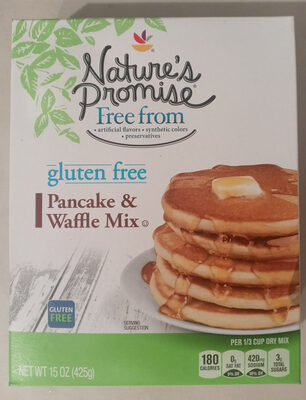 Ahold USA, Inc.
Pancake & Waffle Mix
340kcal
3.8Protein
0.9Fat
77.4Carbs
Ahold USA, Inc.
Pancake & Waffle Mix
340kcal
3.8Protein
0.9Fat
77.4Carbs
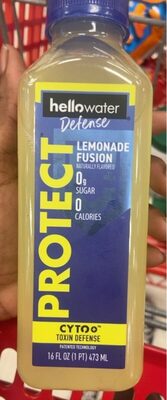 Hello Beverages LLC
Lemonade Fusion Flavored Cyto+ Toxin Defense Water, Lemonade Fusion
0kcal
0Protein
0Fat
0Carbs
Hello Beverages LLC
Lemonade Fusion Flavored Cyto+ Toxin Defense Water, Lemonade Fusion
0kcal
0Protein
0Fat
0Carbs
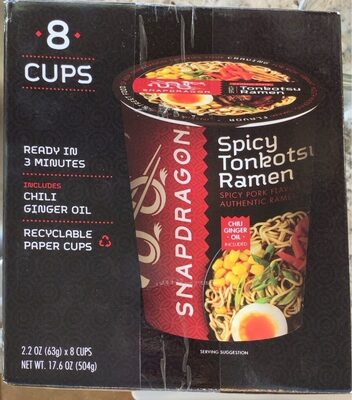 Snapdragon Foods LLC
Spicy Tonkotsu Ramen, Spicy Tonkotsu
High in sodium — 40% DV per serving
High in saturated fat — 20% DV per serving
397kcal
6.3Protein
17.5Fat
50.8Carbs
Snapdragon Foods LLC
Spicy Tonkotsu Ramen, Spicy Tonkotsu
High in sodium — 40% DV per serving
High in saturated fat — 20% DV per serving
397kcal
6.3Protein
17.5Fat
50.8Carbs
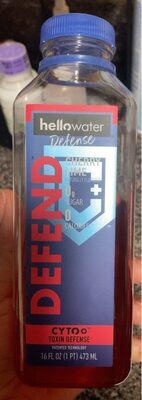 Hello Beverages LLC
Cherry Lime Flavored Cyto+ Toxin Defense Water, Cherry Lime
0kcal
0Protein
0Fat
0Carbs
Hello Beverages LLC
Cherry Lime Flavored Cyto+ Toxin Defense Water, Cherry Lime
0kcal
0Protein
0Fat
0Carbs
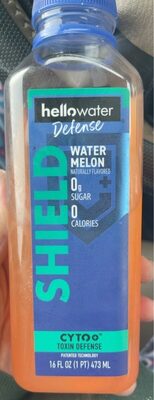 Hello Beverages LLC
Watermelon Flavored Cyto+ Toxin Defense Water, Watermelon
0kcal
0Protein
0Fat
0Carbs
Hello Beverages LLC
Watermelon Flavored Cyto+ Toxin Defense Water, Watermelon
0kcal
0Protein
0Fat
0Carbs
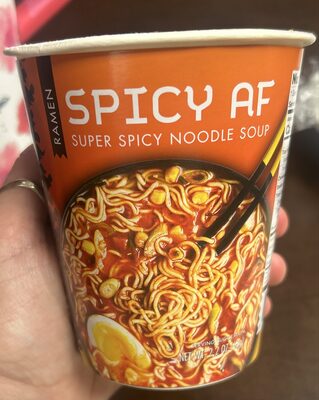 Snapdragon Foods LLC
Ramen Spicy Af Super Noodle Soup, Ramen Spicy Af
High in sodium — 53% DV per serving
High in saturated fat — 25% DV per serving
460kcal
7.9Protein
22.2Fat
54.0Carbs
Snapdragon Foods LLC
Ramen Spicy Af Super Noodle Soup, Ramen Spicy Af
High in sodium — 53% DV per serving
High in saturated fat — 25% DV per serving
460kcal
7.9Protein
22.2Fat
54.0Carbs
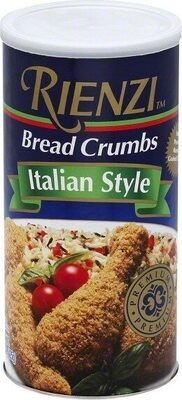 Rienzi & Sons Inc.
Italian Style Bread Crumbs
High in sodium — 21% DV per serving
400kcal
16.7Protein
6.7Fat
66.7Carbs
Rienzi & Sons Inc.
Italian Style Bread Crumbs
High in sodium — 21% DV per serving
400kcal
16.7Protein
6.7Fat
66.7Carbs
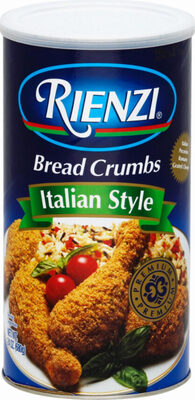 Rienzi & Sons Inc.
Italian Style Bread Crumbs
High in sodium — 21% DV per serving
400kcal
16.7Protein
6.7Fat
66.7Carbs
Tasty Brands
Chicken Parmesan Tray
High in sodium — 42% DV per serving
127kcal
8.9Protein
4.7Fat
11.7Carbs
Rienzi & Sons Inc.
Italian Style Bread Crumbs
High in sodium — 21% DV per serving
400kcal
16.7Protein
6.7Fat
66.7Carbs
Tasty Brands
Chicken Parmesan Tray
High in sodium — 42% DV per serving
127kcal
8.9Protein
4.7Fat
11.7Carbs