And Vitamin C
Auto-generated content. This description was generated automatically and is pending editorial review. Inaccuracies are possible. Found a mistake? Contact us.
What it is
Vitamin C, also known as ascorbic acid, is a water-soluble vitamin found naturally in many fruits and vegetables, especially citrus fruits. It is often produced commercially through a process involving the fermentation of glucose, typically derived from corn or wheat.
Why it's used
Manufacturers add Vitamin C to foods primarily as an antioxidant to prevent spoilage and maintain color, especially in processed fruits and vegetables. It also functions as a nutrient, often added to beverages, cereals, and snacks to increase their nutritional value.
Health notes
Vitamin C is recognized as an essential nutrient for human health. The U.S. Food and Drug Administration (FDA) lists ascorbic acid as Generally Recognized As Safe (GRAS) for use in food. International bodies like JECFA and EFSA have evaluated Vitamin C, and it is widely studied for its role as an antioxidant. While generally safe, very high intakes can sometimes cause digestive upset.
Allergen info
Vitamin C is not derived from any of the nine FDA major allergens. It does not contain gluten.
Products containing And Vitamin C
Compare products →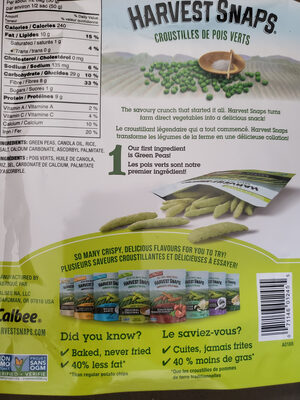 Calbee North America, LLC
Snapea Crisps, Snapea
393kcal
17.9Protein
16.1Fat
60.7Carbs
Calbee North America, LLC
Snapea Crisps, Snapea
393kcal
17.9Protein
16.1Fat
60.7Carbs
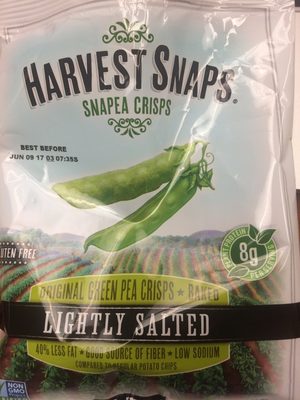 Calbee North America, LLC
Original Green Pea Crisps, Lightly Salted
420kcal
16Protein
20Fat
56Carbs
Premier Nutrition Corporation
Performance Energy Blends Fruit Based Energy Food , Apple, Mango, Strawberry
89kcal
0Protein
0Fat
23.3Carbs
Calbee North America, LLC
Lentil Bean, Tomato Basil
422kcal
20Protein
20Fat
55.6Carbs
Calbee North America, LLC
Original Green Pea Crisps, Lightly Salted
420kcal
16Protein
20Fat
56Carbs
Premier Nutrition Corporation
Performance Energy Blends Fruit Based Energy Food , Apple, Mango, Strawberry
89kcal
0Protein
0Fat
23.3Carbs
Calbee North America, LLC
Lentil Bean, Tomato Basil
422kcal
20Protein
20Fat
55.6Carbs
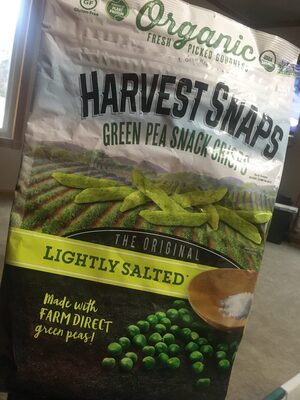 Calbee North America, LLC
The Original Lightly Salted Green Pea Snack Crisps, Lightly Salted
464kcal
17.9Protein
17.9Fat
57.1Carbs
Calbee North America, LLC
Lentil Bean, Onion Thyme
429kcal
17.9Protein
21.4Fat
53.6Carbs
Calbee North America, LLC
Black Bean, Habanero
429kcal
10.7Protein
25Fat
57.1Carbs
Barton Creek Crossing
Apple Butter Cinnamon Apple Pie, Apple Butter
133kcal
0Protein
0Fat
40Carbs
Calbee North America, LLC
Lentil Bean
429kcal
17.9Protein
21.4Fat
53.6Carbs
Calbee North America, LLC
Original Green Pea Crisps Baked
429kcal
17.9Protein
17.9Fat
57.1Carbs
Calbee North America, LLC
The Original Lightly Salted Green Pea Snack Crisps, Lightly Salted
464kcal
17.9Protein
17.9Fat
57.1Carbs
Calbee North America, LLC
Lentil Bean, Onion Thyme
429kcal
17.9Protein
21.4Fat
53.6Carbs
Calbee North America, LLC
Black Bean, Habanero
429kcal
10.7Protein
25Fat
57.1Carbs
Barton Creek Crossing
Apple Butter Cinnamon Apple Pie, Apple Butter
133kcal
0Protein
0Fat
40Carbs
Calbee North America, LLC
Lentil Bean
429kcal
17.9Protein
21.4Fat
53.6Carbs
Calbee North America, LLC
Original Green Pea Crisps Baked
429kcal
17.9Protein
17.9Fat
57.1Carbs
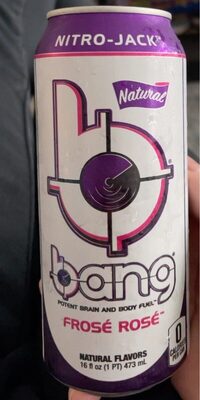 Vital Pharmaceuticals, Inc.
Frose Rose Energy Drink, Frose Rose
0kcal
0Protein
0Fat
0Carbs
Vital Pharmaceuticals, Inc.
Frose Rose Energy Drink, Frose Rose
0kcal
0Protein
0Fat
0Carbs