Anti-caking Blend
What is Anti-caking Blend?
Anti-caking blends are mixtures of ingredients that prevent powdered or granulated foods from clumping together. They are typically made from minerals like silicon dioxide, calcium silicate, or magnesium carbonate, or from starches and cellulose. These ingredients work by absorbing moisture and coating particles to keep them separate.
Is Anti-caking Blend gluten-free?
Some anti-caking agents may be derived from plant sources like corn or wheat, but they are typically processed to remove gluten and proteins.
Is Anti-caking Blend a major allergen?
Not a major allergen.
What is Anti-caking Blend used for?
Manufacturers add anti-caking agents to improve the flow and texture of powdered foods, making them easier to process and use.
Is Anti-caking Blend safe?
Anti-caking agents are generally recognized as safe (GRAS) by the FDA when used according to good manufacturing practices.
Why it's used
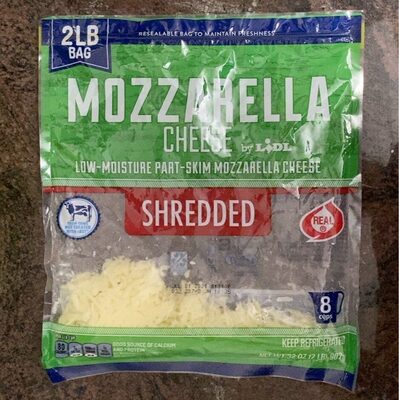
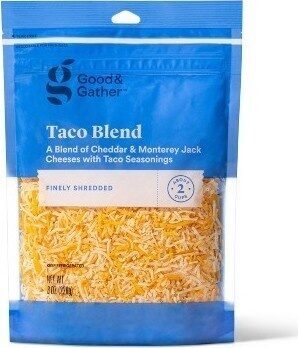
Manufacturers add anti-caking agents to improve the flow and texture of powdered foods, making them easier to process and use. They are commonly found in shredded cheeses, powdered drink mixes, spices, and baking mixes to prevent hardening and ensure even distribution.
Health notes
Anti-caking agents are generally recognized as safe (GRAS) by the FDA when used according to good manufacturing practices. International bodies like JECFA and EFSA have also evaluated many of these substances. At the levels typically found in food, they are not expected to cause adverse health effects. Evidence does not suggest significant health concerns associated with their use in typical food products.
Allergen info
Not a major allergen. Some anti-caking agents may be derived from plant sources like corn or wheat, but they are typically processed to remove gluten and proteins.
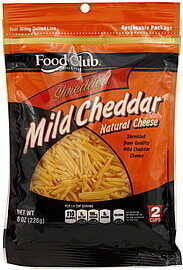
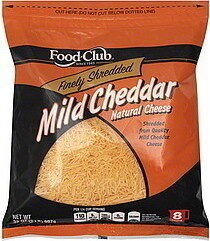
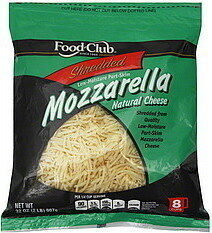
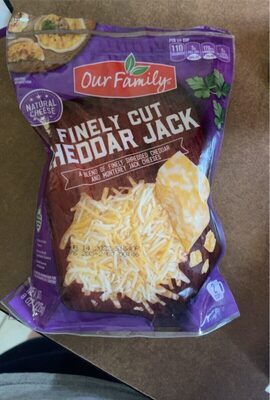
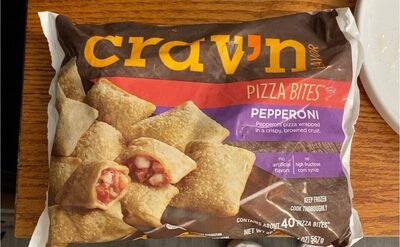
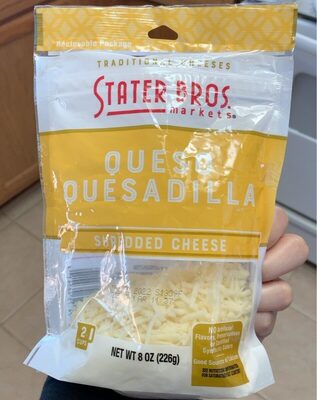
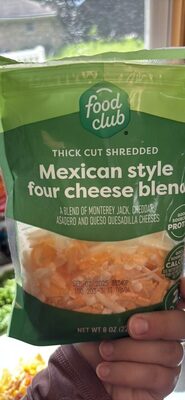
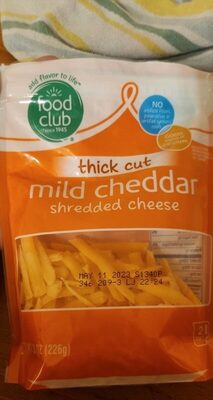
Foods that contain Anti-caking Blend
Compare products →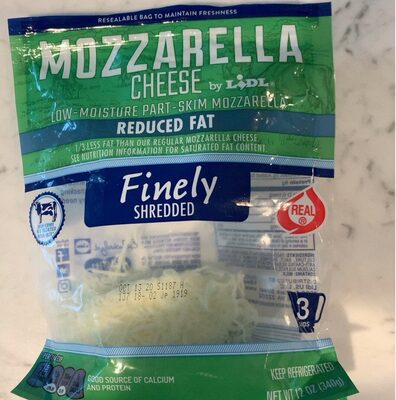



Auto-generated content. This description was generated automatically and is pending editorial review. Inaccuracies are possible. Found a mistake? Contact us.