Aquafaba
What is Aquafaba?
Aquafaba is the starchy liquid found in canned chickpeas, also known as chickpea brine. It is the water in which legumes, such as chickpeas, have been cooked. This liquid is a byproduct of the canning process for chickpeas.
Is Aquafaba vegan?
Aquafaba is not animal-derived. Products that contain it can still include other animal-derived ingredients, so check the full ingredient list.
Is Aquafaba gluten-free?
It does not contain gluten.
Is Aquafaba a major allergen?
Aquafaba is derived from chickpeas, which are legumes.
What is Aquafaba used for?
Aquafaba is used as a vegan alternative to egg whites in baking and cooking.
Is Aquafaba safe?
Aquafaba is generally recognized as safe (GRAS) by the FDA for use in food.
Why it's used
Aquafaba is used as a vegan alternative to egg whites in baking and cooking. Its unique properties allow it to mimic the foaming and binding capabilities of eggs, making it useful as a leavening agent and emulsifier. It is commonly found in vegan baked goods like cookies and cakes, as well as in products like vegan mayonnaise and dressings.
Health notes
Aquafaba is generally recognized as safe (GRAS) by the FDA for use in food. It is primarily composed of carbohydrates and proteins, offering some nutritional value. International bodies like JECFA and EFSA have not specifically evaluated aquafaba, as it is a common food ingredient rather than a specific additive. At typical consumption levels, it is not associated with adverse health effects.
Allergen info
Aquafaba is derived from chickpeas, which are legumes. While not one of the top 9 major allergens, chickpeas are a common allergen for some individuals. It does not contain gluten.
Foods that contain Aquafaba
Compare products →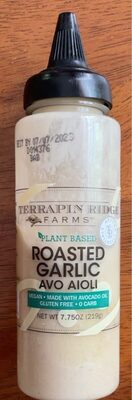

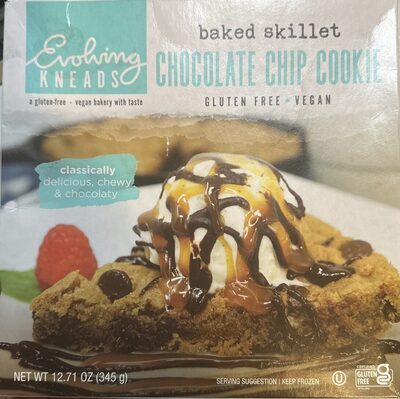
Learn more
Auto-generated content. This description was generated automatically and is pending editorial review. Inaccuracies are possible. Found a mistake? Contact us.