Armenian Yogurt
What is Armenian Yogurt?
Armenian yogurt is a strained yogurt, similar to Greek yogurt, but often with a tangier flavor. It is made by removing whey from regular yogurt, resulting in a thicker consistency. This process is traditionally done by allowing the yogurt to drain through a cheesecloth.
Is Armenian Yogurt vegan?
No. Armenian Yogurt is animal-derived, so it is not vegan.
Is Armenian Yogurt gluten-free?
It does not contain gluten.
Is Armenian Yogurt a major allergen?
Armenian yogurt is derived from milk and is therefore a major allergen.
What is Armenian Yogurt used for?
Manufacturers use Armenian yogurt primarily as a base for dips, spreads, and sauces due to its thick texture and rich flavor.
Is Armenian Yogurt safe?
Armenian yogurt is a dairy product and a source of protein and calcium.
Why it's used
Manufacturers use Armenian yogurt primarily as a base for dips, spreads, and sauces due to its thick texture and rich flavor. Its creamy consistency makes it a good substitute for sour cream or mayonnaise in recipes. It is often found in savory applications like dips and salad dressings.
Health notes
Armenian yogurt is a dairy product and a source of protein and calcium. The FDA considers yogurt generally recognized as safe (GRAS). International bodies like the WHO/FAO's JECFA have evaluated many yogurt cultures and related products, often setting guidelines for their use. Consuming yogurt as part of a balanced diet is associated with general health benefits.
Allergen info
Armenian yogurt is derived from milk and is therefore a major allergen. It does not contain gluten.
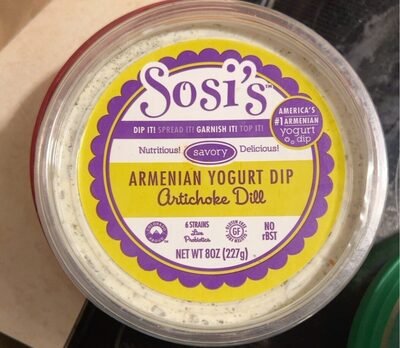
Foods that contain Armenian Yogurt
Compare products →
Learn more
Auto-generated content. This description was generated automatically and is pending editorial review. Inaccuracies are possible. Found a mistake? Contact us.