Ascorbic Acid Added
What is Ascorbic Acid Added?
Ascorbic acid is a form of vitamin C, an essential nutrient for human health. It occurs naturally in many fruits and vegetables. Industrially, it is often produced through a process involving the fermentation of glucose, typically derived from corn or wheat.
Is Ascorbic Acid Added vegan?
Ascorbic Acid Added is not animal-derived. Products that contain it can still include other animal-derived ingredients, so check the full ingredient list.
Is Ascorbic Acid Added gluten-free?
It does not contain gluten.
Is Ascorbic Acid Added a major allergen?
Ascorbic acid is not derived from any of the nine FDA major allergens.
What is Ascorbic Acid Added used for?
Manufacturers add ascorbic acid to foods as an antioxidant to prevent spoilage and maintain color, especially in frozen fruits and vegetables, baked goods, and processed meats.
Is Ascorbic Acid Added safe?
In the US, ascorbic acid is Generally Recognized As Safe (GRAS) by the FDA.
Why it's used
Manufacturers add ascorbic acid to foods as an antioxidant to prevent spoilage and maintain color, especially in frozen fruits and vegetables, baked goods, and processed meats. It also acts as an acidity regulator and a nutrient supplement.
Health notes
In the US, ascorbic acid is Generally Recognized As Safe (GRAS) by the FDA. It is an essential nutrient, and while high doses can cause digestive upset, typical dietary intake is considered safe. JECFA and EFSA have evaluated ascorbic acid and established acceptable daily intakes. Evidence does not suggest adverse health effects from typical dietary consumption.
Allergen info
Ascorbic acid is not derived from any of the nine FDA major allergens. It does not contain gluten.
Foods that contain Ascorbic Acid Added
Compare products →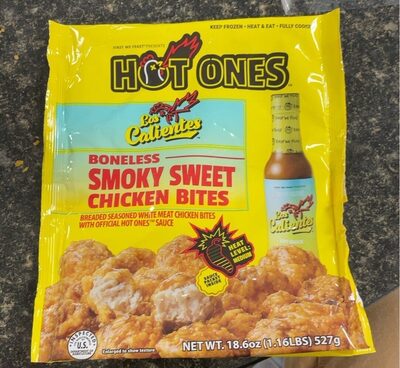
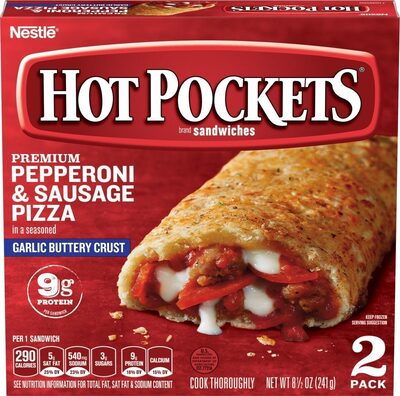

Learn more
Auto-generated content. This description was generated automatically and is pending editorial review. Inaccuracies are possible. Found a mistake? Contact us.