Asiago Cheese: Pasteurized Cow's Milk
What is Asiago Cheese: Pasteurized Cow's Milk?
Asiago cheese is a firm, Italian cow's milk cheese. It is made from pasteurized cow's milk and aged for different lengths of time, which affects its texture and flavor. Younger Asiago is smooth and mild, while aged Asiago becomes crumbly and sharper.
Is Asiago Cheese: Pasteurized Cow's Milk vegan?
No. Asiago Cheese: Pasteurized Cow's Milk is animal-derived, so it is not vegan.
Is Asiago Cheese: Pasteurized Cow's Milk gluten-free?
It does not contain gluten.
Is Asiago Cheese: Pasteurized Cow's Milk a major allergen?
Asiago cheese is derived from cow's milk, which is one of the FDA's major allergens.
What is Asiago Cheese: Pasteurized Cow's Milk used for?
Asiago cheese is often used to add a savory, nutty flavor to dishes.
Is Asiago Cheese: Pasteurized Cow's Milk safe?
Asiago cheese is a natural dairy product and is generally recognized as safe by the FDA.
Why it's used
Asiago cheese is often used to add a savory, nutty flavor to dishes. It can be grated over pasta, salads, and soups, or used as a melting cheese in sandwiches and pizzas. Its distinct taste makes it a popular ingredient in Italian-American cuisine.
Health notes
Asiago cheese is a natural dairy product and is generally recognized as safe by the FDA. It is a good source of protein and calcium. Like other dairy products, it contains saturated fat and sodium. International bodies like EFSA have evaluated dairy products in general terms, but specific evaluations for Asiago cheese are not typically highlighted.
Allergen info
Asiago cheese is derived from cow's milk, which is one of the FDA's major allergens. It does not contain gluten.
Foods that contain Asiago Cheese: Pasteurized Cow's Milk
Compare products →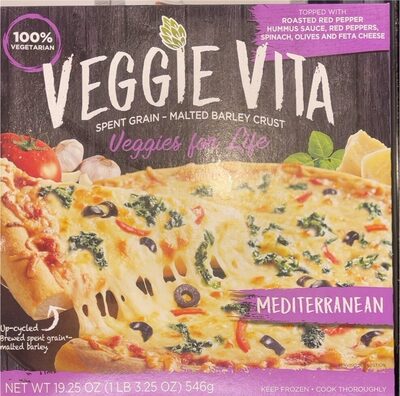 Windy City Sales and Marketing, Inc.
Mediterranean Topped With Roasted Red Pepper Hummus Sauce, Red Peppers, Spinach, Olives And Feta Cheese Re-Grained Malted Barley Crust Pizza, Mediterranean
221kcal
9.2Protein
6.1Fat
32.1Carbs
Hansen's Dairy, Inc.
Original The 5 Cheese Growler, 5 Cheese Growler
High in sodium — 30% DV per serving
High in saturated fat — 50% DV per serving
250kcal
12.9Protein
12.1Fat
20.7Carbs
Rafael Padilla & Cia S. En C.
Lasagna Soup With Turkey Sausage, Lasagna With Turkey Sausage
High in sodium — 81% DV per serving
High in saturated fat — 35% DV per serving
High in cholesterol — 26% DV per serving
86kcal
5.1Protein
4.0Fat
7.7Carbs
Windy City Sales and Marketing, Inc.
Mediterranean Topped With Roasted Red Pepper Hummus Sauce, Red Peppers, Spinach, Olives And Feta Cheese Re-Grained Malted Barley Crust Pizza, Mediterranean
221kcal
9.2Protein
6.1Fat
32.1Carbs
Hansen's Dairy, Inc.
Original The 5 Cheese Growler, 5 Cheese Growler
High in sodium — 30% DV per serving
High in saturated fat — 50% DV per serving
250kcal
12.9Protein
12.1Fat
20.7Carbs
Rafael Padilla & Cia S. En C.
Lasagna Soup With Turkey Sausage, Lasagna With Turkey Sausage
High in sodium — 81% DV per serving
High in saturated fat — 35% DV per serving
High in cholesterol — 26% DV per serving
86kcal
5.1Protein
4.0Fat
7.7Carbs
Learn more
Auto-generated content. This description was generated automatically and is pending editorial review. Inaccuracies are possible. Found a mistake? Contact us.