B-12
What is B-12?
Vitamin B12, also known as cobalamin, is a water-soluble vitamin essential for human health. It is primarily produced by bacteria and is naturally found in animal products like meat, fish, eggs, and dairy. For food fortification, it is typically produced through bacterial fermentation or chemical synthesis.
Is B-12 vegan?
B-12 is not animal-derived. Products that contain it can still include other animal-derived ingredients, so check the full ingredient list.
Is B-12 a major allergen?
Not a major allergen.
What is B-12 used for?
Manufacturers add Vitamin B12 to foods primarily as a nutrient to fortify them.
Is B-12 safe?
Vitamin B12 is an essential nutrient vital for nerve function, red blood cell formation, and DNA synthesis.
Why it's used
Manufacturers add Vitamin B12 to foods primarily as a nutrient to fortify them. It is commonly found in fortified breakfast cereals, plant-based milk alternatives, and some meat substitutes to help consumers meet their daily nutritional needs.
Health notes
Vitamin B12 is an essential nutrient vital for nerve function, red blood cell formation, and DNA synthesis. The U.S. Food and Drug Administration (FDA) recognizes Vitamin B12 as a safe and essential nutrient. JECFA has evaluated Vitamin B12 as an essential nutrient. Deficiency can lead to anemia and neurological problems, especially in individuals following strict vegan diets if they do not consume fortified foods or supplements.
Allergen info
Not a major allergen.
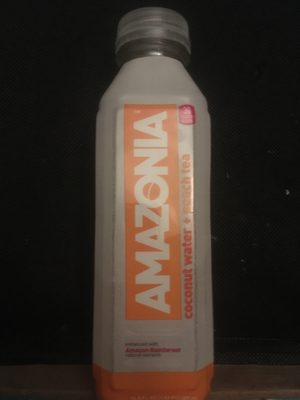
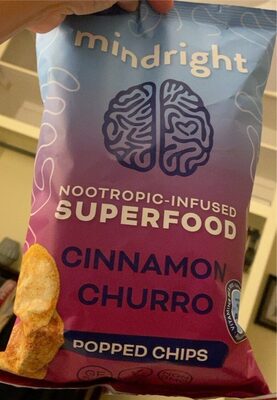
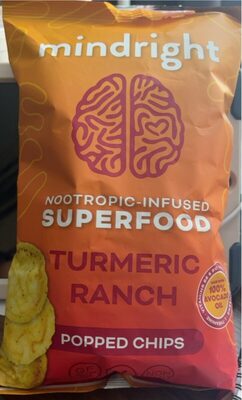
Foods that contain B-12
Compare products →
Learn more
Auto-generated content. This description was generated automatically and is pending editorial review. Inaccuracies are possible. Found a mistake? Contact us.