B-6
What is B-6?
Vitamin B6 is a group of related compounds, including pyridoxine, pyridoxal, and pyridoxamine. It is found naturally in many foods like meat, fish, poultry, eggs, and vegetables. It can also be produced synthetically for use as a food additive.
Is B-6 gluten-free?
It does not contain gluten.
Is B-6 a major allergen?
Vitamin B6 is not a major allergen.
What is B-6 used for?
Vitamin B6 is added to foods as a nutrient supplement to help fortify products and meet daily dietary needs.
Is B-6 safe?
Vitamin B6 is an essential nutrient important for many bodily functions, including brain development and immune function.
Why it's used
Vitamin B6 is added to foods as a nutrient supplement to help fortify products and meet daily dietary needs. It is commonly found in breakfast cereals, infant formulas, and some processed foods.
Health notes
Vitamin B6 is an essential nutrient important for many bodily functions, including brain development and immune function. The US National Academies have established an upper intake level for vitamin B6. Regulatory bodies like JECFA and EFSA have evaluated vitamin B6. High doses of vitamin B6, typically from supplements rather than food, have been linked to nerve issues.
Allergen info
Vitamin B6 is not a major allergen. It does not contain gluten.
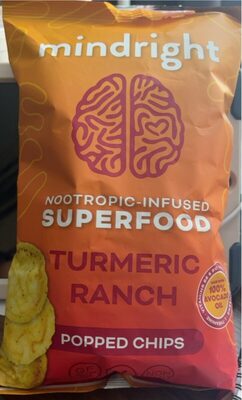
Foods that contain B-6
Compare products →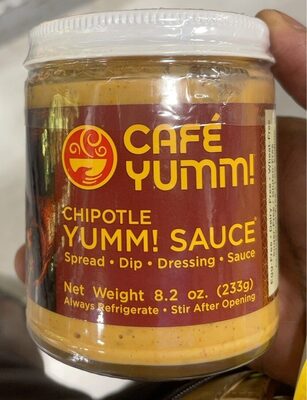
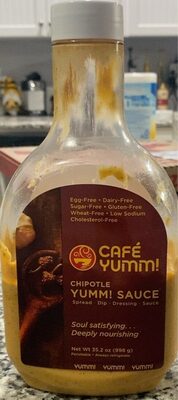
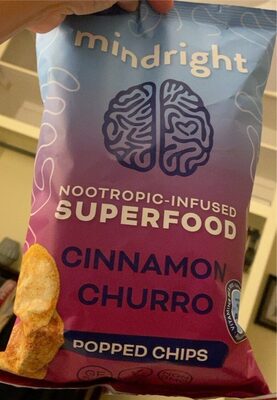
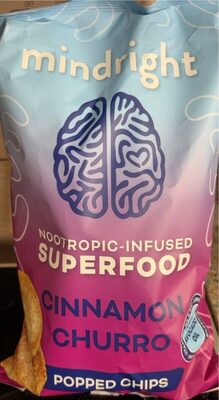
Learn more
Auto-generated content. This description was generated automatically and is pending editorial review. Inaccuracies are possible. Found a mistake? Contact us.