B Vitamins
What is B Vitamins?
B vitamins are a group of eight essential water-soluble vitamins that play vital roles in metabolism, cell function, and energy production. They are found naturally in many foods like whole grains, meat, eggs, dairy, legumes, and leafy green vegetables. In food processing, they are often added as synthetic compounds or derived from natural sources.
Is B Vitamins a major allergen?
B vitamins themselves are not among the FDA's nine major allergens.
What is B Vitamins used for?
B vitamins are added to foods to increase their nutritional value, particularly in fortified products like cereals, bread, and pasta.
Is B Vitamins safe?
The FDA considers B vitamins essential nutrients and allows their addition to foods for fortification.
Why it's used
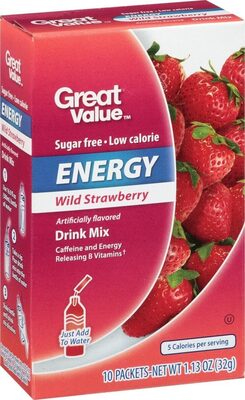
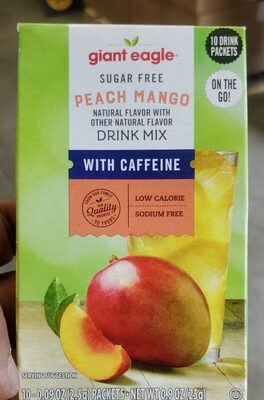
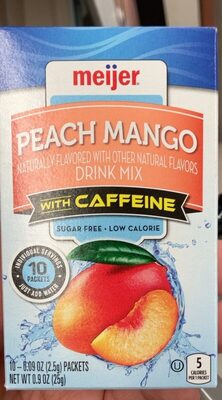
B vitamins are added to foods to increase their nutritional value, particularly in fortified products like cereals, bread, and pasta. They are also used in energy drinks and supplements. Manufacturers add them to help consumers meet their daily recommended intake of these essential nutrients.
Health notes
The FDA considers B vitamins essential nutrients and allows their addition to foods for fortification. JECFA has evaluated various B vitamins and established acceptable daily intakes for some. While generally recognized as safe when consumed at typical dietary levels, very high doses of certain B vitamins can cause side effects. Evidence on specific health benefits or risks beyond preventing deficiency is ongoing and sometimes mixed.
Allergen info
B vitamins themselves are not among the FDA's nine major allergens. However, the source or carrier used in fortified foods might be derived from allergens like wheat or soy.
Foods that contain B Vitamins
Compare products →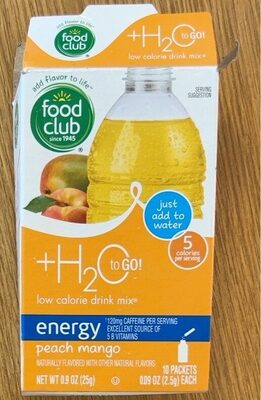


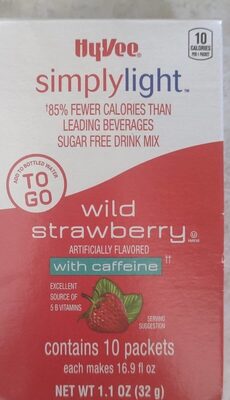
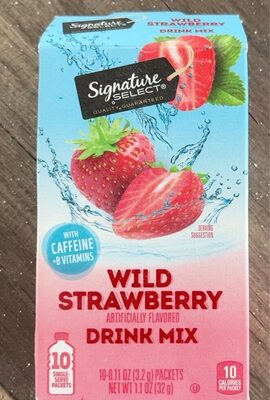 Signature Select
Wild Strawberry Flavored Drink Mix, Wild Strawberry
312kcal
0Protein
0Fat
93.8Carbs



Learn more
Auto-generated content. This description was generated automatically and is pending editorial review. Inaccuracies are possible. Found a mistake? Contact us.