B5
What is B5?
Pantothenic acid, also known as Vitamin B5, is an essential nutrient that humans need to produce energy and synthesize hormones and cholesterol. It is found naturally in many foods, including whole grains, meat, poultry, eggs, and vegetables. In food production, it is often added as a synthetic nutrient.
Is B5 vegan?
B5 is not animal-derived. Products that contain it can still include other animal-derived ingredients, so check the full ingredient list.
Is B5 gluten-free?
It does not contain gluten.
Is B5 a major allergen?
Pantothenic acid is not one of the nine major allergens recognized by the FDA.
What is B5 used for?
Vitamin B5 is added to foods as a nutrient supplement to fortify products and help consumers meet their daily intake needs.
Is B5 safe?
Pantothenic acid is recognized as safe and effective for use as a nutrient supplement by the FDA.
Why it's used
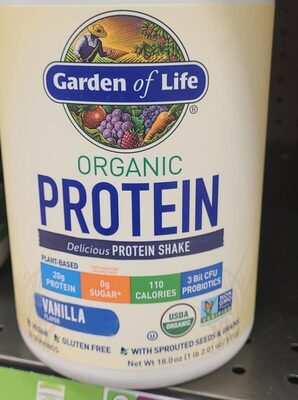
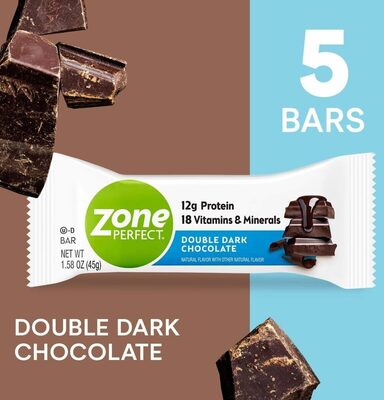
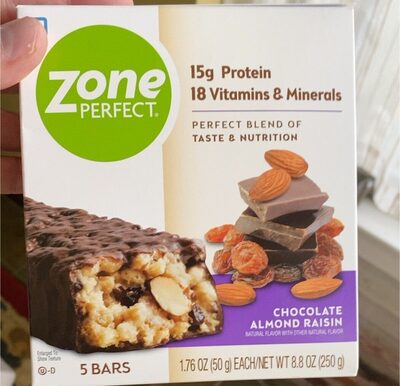
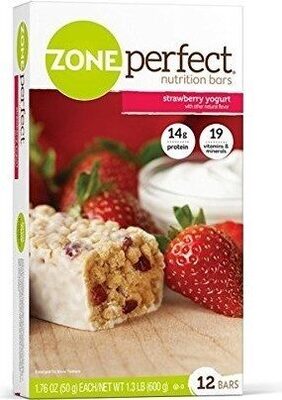
Vitamin B5 is added to foods as a nutrient supplement to fortify products and help consumers meet their daily intake needs. It is commonly found in fortified foods such as energy and granola bars, fruit and vegetable juices, nectars, fruit drinks, and powdered drink mixes.
Health notes
Pantothenic acid is recognized as safe and effective for use as a nutrient supplement by the FDA. It is considered an essential nutrient, and deficiency is rare in developed countries. International bodies like JECFA and EFSA have evaluated pantothenic acid. Typical intakes from fortified foods are well within safe levels.
Allergen info
Pantothenic acid is not one of the nine major allergens recognized by the FDA. It does not contain gluten.
Foods that contain B5
Compare products →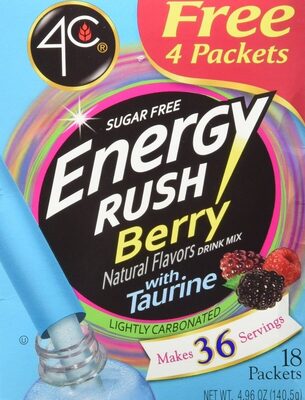

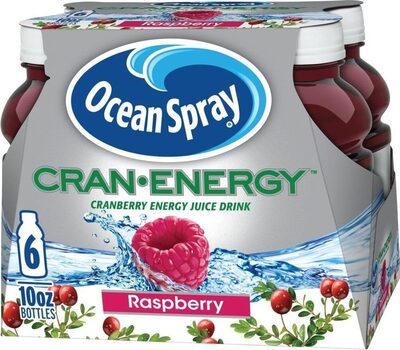
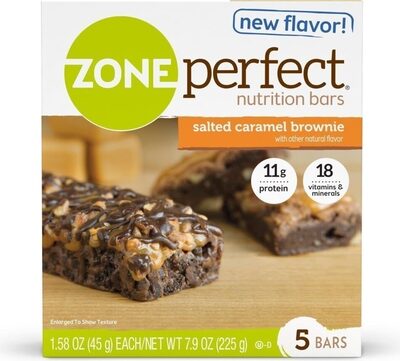

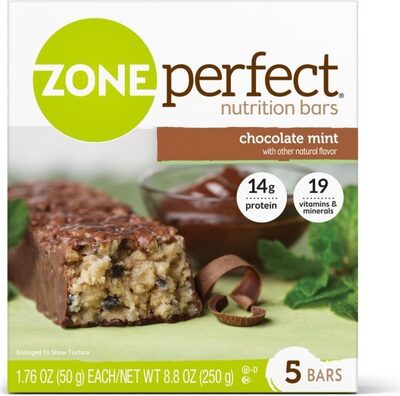



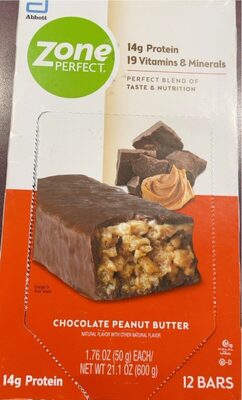


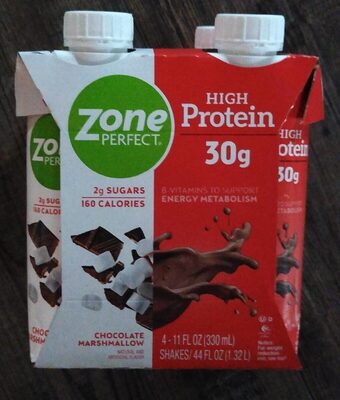
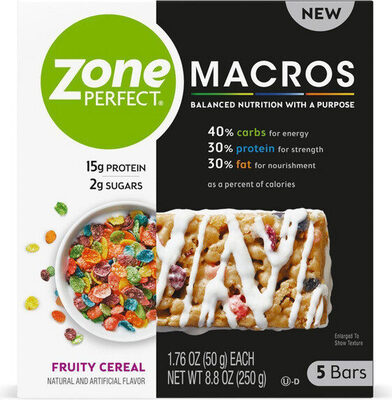

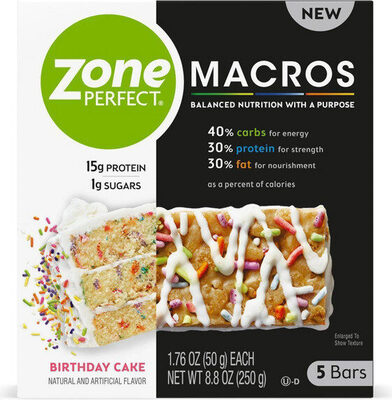
Learn more
Auto-generated content. This description was generated automatically and is pending editorial review. Inaccuracies are possible. Found a mistake? Contact us.