Auto-generated content.
This description was generated automatically and is pending editorial review.
Inaccuracies are possible. Found a mistake? Contact us.
Source
Not animal-derived
Allergen
No
Role in food
Folic acid is added to foods as a nutrient to help people increase their …
What it is
Folic acid is a synthetic form of the B vitamin folate, which is naturally found in foods like leafy green vegetables, fruits, and beans. It is manufactured through chemical synthesis. Folate is essential for cell growth and DNA formation.
Why it's used
Folic acid is added to foods as a nutrient to help people increase their intake of folate. It is commonly found in enriched grain products like bread, pasta, and cereals, as well as in some beverages and snack bars.
Health notes
The U.S. Food and Drug Administration (FDA) considers folic acid to be safe and effective for use in food fortification. Adequate folate intake is important for preventing neural tube defects in newborns. The Joint FAO/WHO Expert Committee on Food Additives (JECFA) has evaluated folic acid. Evidence does not suggest adverse health effects from consuming folic acid at typical intake levels from fortified foods.
Allergen info
Folic acid is not a major allergen. It does not contain gluten.
Note:
This site presents label data from USDA FoodData Central for general information. It is not medical advice.
Check the package label; formulations change.
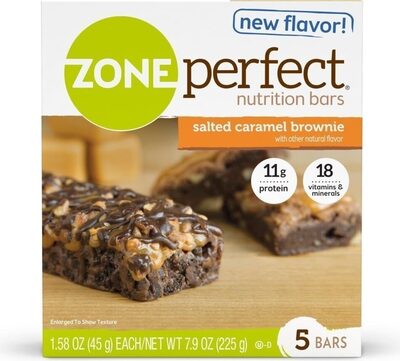 Abbott Laboratories Inc
Salted Caramel Brownie Bars, Salted Caramel Brownie
High in saturated fat — 25% DV per serving
High in added sugars — 28% DV per serving
444kcal
22.2Protein
20Fat
44.4Carbs
Abbott Laboratories Inc
Salted Caramel Brownie Bars, Salted Caramel Brownie
High in saturated fat — 25% DV per serving
High in added sugars — 28% DV per serving
444kcal
22.2Protein
20Fat
44.4Carbs