Baby Red Chard
What is Baby Red Chard?
Baby red chard is a young, leafy green vegetable belonging to the beet family. It is harvested when its leaves are small and tender, typically featuring dark green leaves with distinctive red stems and veins. It is cultivated from seeds, similar to other chard varieties.
Is Baby Red Chard vegan?
Baby Red Chard is not animal-derived. Products that contain it can still include other animal-derived ingredients, so check the full ingredient list.
Is Baby Red Chard a major allergen?
Not a major allergen.
What is Baby Red Chard used for?
Baby red chard is primarily used as a fresh ingredient in salads, often mixed with other greens for its mild, earthy flavor and tender texture.
Is Baby Red Chard safe?
As a whole food, baby red chard is generally recognized as safe (GRAS) for consumption by the FDA.
Why it's used
Baby red chard is primarily used as a fresh ingredient in salads, often mixed with other greens for its mild, earthy flavor and tender texture. It also adds a vibrant color to dishes. Manufacturers include it in pre-packaged salads and vegetable blends.
Health notes
As a whole food, baby red chard is generally recognized as safe (GRAS) for consumption by the FDA. It is considered a nutritious vegetable, providing vitamins and minerals as part of a balanced diet. There are no known adverse health effects at typical consumption levels, and it is not an additive evaluated by bodies like JECFA or EFSA.
Allergen info
Not a major allergen.
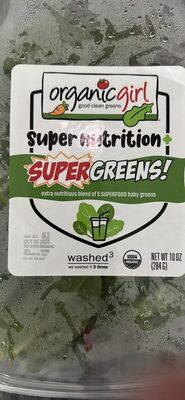
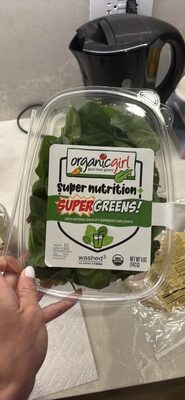
Foods that contain Baby Red Chard
Compare products →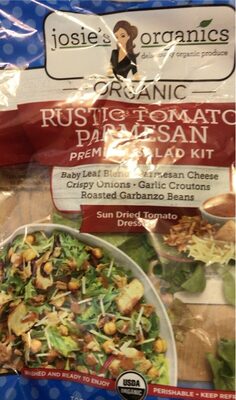
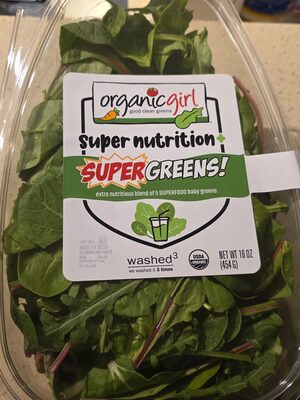
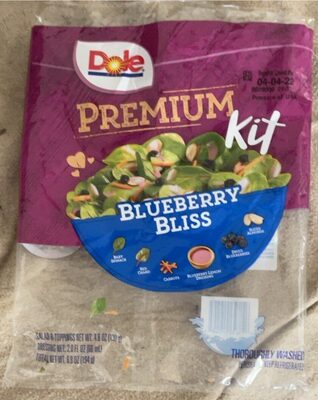
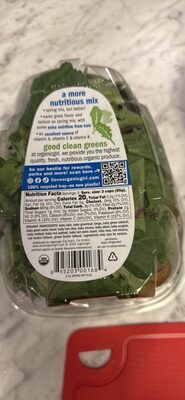
Auto-generated content. This description was generated automatically and is pending editorial review. Inaccuracies are possible. Found a mistake? Contact us.