Baking Release Oil
What is Baking Release Oil?
Baking release oil is a blend of oils and emulsifiers designed to prevent food from sticking to baking surfaces. It is typically made from vegetable oils, such as soybean or canola oil, combined with emulsifying agents like lecithin.
Is Baking Release Oil gluten-free?
Gluten is not typically present unless the product itself contains gluten ingredients.
Is Baking Release Oil a major allergen?
Baking release oil is not a major allergen.
What is Baking Release Oil used for?
Manufacturers add baking release oil to prevent baked goods from adhering to pans and molds during the baking process.
Is Baking Release Oil safe?
Baking release oil is generally recognized as safe (GRAS) by the FDA when used as intended.
Why it's used
Manufacturers add baking release oil to prevent baked goods from adhering to pans and molds during the baking process. It ensures easy removal and helps maintain the product's shape. It is commonly found in frozen baked goods, pastries, and other items that require baking before consumption.
Health notes
Baking release oil is generally recognized as safe (GRAS) by the FDA when used as intended. The oils used are common dietary fats, and emulsifiers like lecithin are also widely used and considered safe. JECFA has evaluated many common food emulsifiers and oils, typically setting acceptable daily intakes where appropriate. No significant health concerns are associated with the typical use of baking release oil in foods.
Allergen info
Baking release oil is not a major allergen. However, if soybean oil is used, it is derived from soy, which is one of the FDA's major allergens. Gluten is not typically present unless the product itself contains gluten ingredients.
Foods that contain Baking Release Oil
Compare products →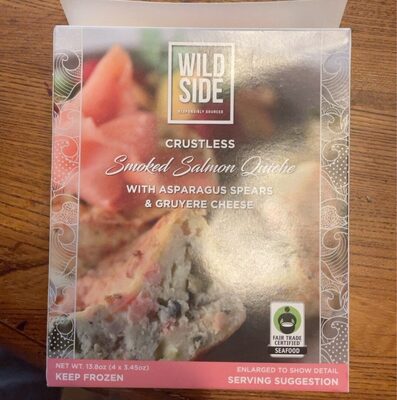 Linda's Mustard
Crustless Smoked Salmon Quiche With Asparagus Spears & Gruyere Cheese, Smoked Salmon Quiche
High in saturated fat — 45% DV per serving
High in cholesterol — 33% DV per serving
204kcal
9.2Protein
17.4Fat
4.1Carbs
Linda's Mustard
Crustless Longostno Lobster Quiche With Monterey Jack Cheese, Spinach & Mushroom, With Monterey Jack Cheese, Spinach & Mushroom
High in saturated fat — 50% DV per serving
High in cholesterol — 33% DV per serving
235kcal
9.2Protein
17.4Fat
5.1Carbs
Linda's Mustard
Argentinian Red Shrimp Crustless Quiche With Swiss Cheese & Bacon, Argentinian Red Shrimp With Swiss Cheese & Bacon
High in saturated fat — 50% DV per serving
High in cholesterol — 42% DV per serving
224kcal
11.2Protein
18.4Fat
4.1Carbs
Linda's Mustard
Crustless Smoked Salmon Quiche With Asparagus Spears & Gruyere Cheese, Smoked Salmon Quiche
High in saturated fat — 45% DV per serving
High in cholesterol — 33% DV per serving
204kcal
9.2Protein
17.4Fat
4.1Carbs
Linda's Mustard
Crustless Longostno Lobster Quiche With Monterey Jack Cheese, Spinach & Mushroom, With Monterey Jack Cheese, Spinach & Mushroom
High in saturated fat — 50% DV per serving
High in cholesterol — 33% DV per serving
235kcal
9.2Protein
17.4Fat
5.1Carbs
Linda's Mustard
Argentinian Red Shrimp Crustless Quiche With Swiss Cheese & Bacon, Argentinian Red Shrimp With Swiss Cheese & Bacon
High in saturated fat — 50% DV per serving
High in cholesterol — 42% DV per serving
224kcal
11.2Protein
18.4Fat
4.1Carbs
Learn more
Auto-generated content. This description was generated automatically and is pending editorial review. Inaccuracies are possible. Found a mistake? Contact us.