Balsamic Glaze
What is Balsamic Glaze?
Balsamic glaze is a thick, syrupy reduction of balsamic vinegar. It is made by simmering balsamic vinegar, often with added sweeteners like sugar or honey, until it thickens and its flavor intensifies. The process concentrates the sweet and tangy notes of the original vinegar.
Is Balsamic Glaze gluten-free?
It does not contain gluten.
Is Balsamic Glaze a major allergen?
Balsamic glaze is not derived from any of the 9 FDA major allergens.
What is Balsamic Glaze used for?
Manufacturers use balsamic glaze primarily as a flavoring agent and a finishing sauce.
Is Balsamic Glaze safe?
Balsamic glaze is generally recognized as safe (GRAS) by the FDA when used as a food ingredient.
Why it's used
Manufacturers use balsamic glaze primarily as a flavoring agent and a finishing sauce. Its sweet and tangy profile enhances the taste of many dishes. It is commonly found drizzled over appetizers, salads, meats, and vegetables.
Health notes
Balsamic glaze is generally recognized as safe (GRAS) by the FDA when used as a food ingredient. It is primarily composed of vinegar and sugars, and at typical consumption levels, it does not pose significant health risks. International bodies like JECFA and EFSA have evaluated balsamic vinegar, but specific evaluations for 'balsamic glaze' as a distinct ingredient may vary. Evidence does not suggest adverse effects from moderate consumption.
Allergen info
Balsamic glaze is not derived from any of the 9 FDA major allergens. It does not contain gluten.
Foods that contain Balsamic Glaze
Compare products →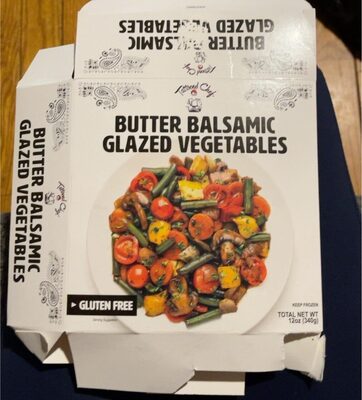
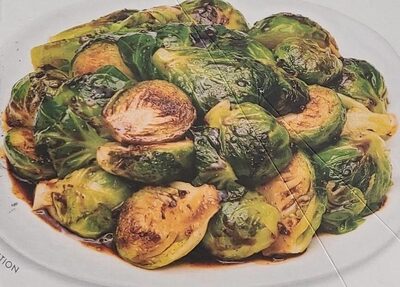
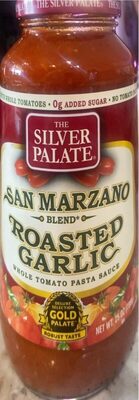
Learn more
Auto-generated content. This description was generated automatically and is pending editorial review. Inaccuracies are possible. Found a mistake? Contact us.