Barbecue Sauce
What is Barbecue Sauce?
Barbecue sauce is a thick, tangy, and often sweet or smoky condiment used to flavor meat and other foods. It is typically made from a base of tomato paste or ketchup, vinegar, sweeteners (like sugar or molasses), and various spices and seasonings. The specific ingredients and preparation methods vary widely by region and recipe.
Is Barbecue Sauce a major allergen?
Barbecue sauce itself is not a major allergen.
What is Barbecue Sauce used for?
Manufacturers add barbecue sauce primarily for its distinct flavor profile, which can be sweet, smoky, spicy, or tangy.
Is Barbecue Sauce safe?
Barbecue sauce is a food product regulated by the FDA under general food safety standards, not as a food additive.
Why it's used
Manufacturers add barbecue sauce primarily for its distinct flavor profile, which can be sweet, smoky, spicy, or tangy. It is commonly used as a marinade for meats, a basting sauce during cooking, or a finishing sauce and condiment for dishes like ribs, chicken, and sandwiches.
Health notes
Barbecue sauce is a food product regulated by the FDA under general food safety standards, not as a food additive. While it provides flavor, many barbecue sauces can be significant sources of added sugars and sodium. The 2025-2030 Dietary Guidelines for Americans recommend no amount of added sugars, and at most 10 grams per meal. The FDA's Daily Value for sodium is 2,300 mg. JECFA and EFSA do not evaluate complex food products like barbecue sauce.
Allergen info
Barbecue sauce itself is not a major allergen. However, specific ingredients used in its preparation, such as soy, wheat (in some thickeners or soy sauce), or fish (in Worcestershire sauce), can be major allergens. Consumers should check product labels for allergen information.
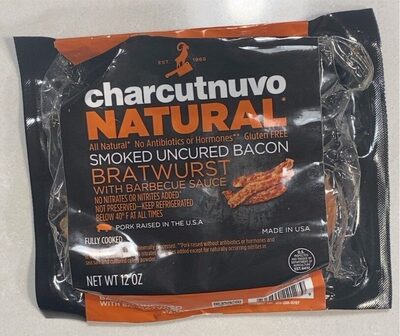
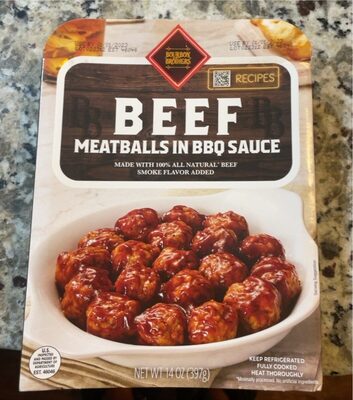
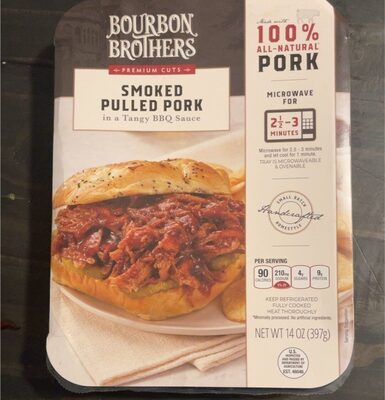
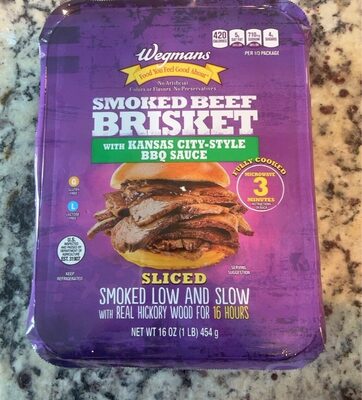
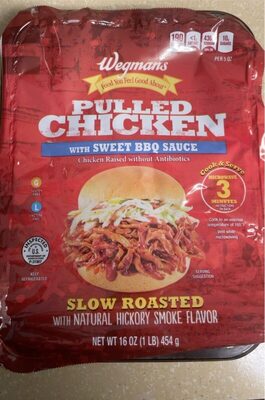
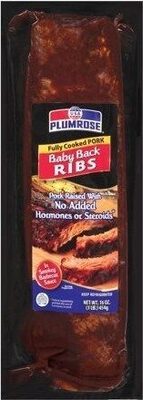
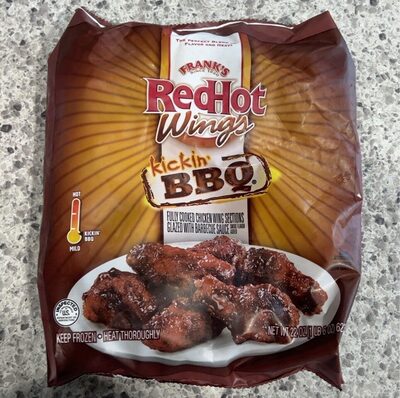
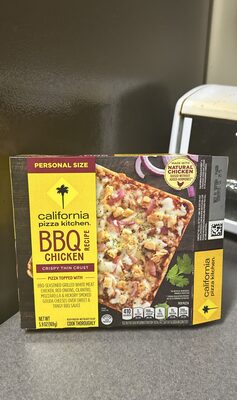
Foods that contain Barbecue Sauce
Compare products →






Learn more
Auto-generated content. This description was generated automatically and is pending editorial review. Inaccuracies are possible. Found a mistake? Contact us.