Bayleaf
Auto-generated content. This description was generated automatically and is pending editorial review. Inaccuracies are possible. Found a mistake? Contact us.
What it is
Bay leaf comes from the leaves of the bay laurel tree (Laurus nobilis), native to the Mediterranean region. The leaves are typically dried before being used whole or ground as a spice. They impart a distinct, slightly bitter, aromatic flavor.
Why it's used
Bay leaves are used to add flavor to a wide variety of dishes, especially slow-cooked foods like soups, stews, sauces, and braises. They are commonly found in pickles, olives, and canned meats. The leaves are usually removed from the dish before serving.
Health notes
Bay leaf is generally recognized as safe (GRAS) by the FDA for use as a flavoring agent. Regulatory bodies like JECFA and EFSA have evaluated bay leaf and its extracts. At typical dietary intakes, bay leaf is not associated with adverse health effects. There is ongoing research into the potential health benefits of compounds found in bay leaf, but more studies are needed.
Allergen info
Bay leaf is not one of the FDA's nine major allergens. It does not contain gluten.
Products containing Bayleaf
Compare products →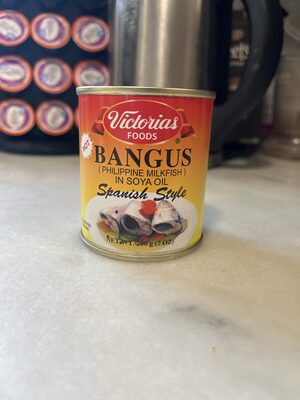 VICTORIAS
Victorias, Spanish Style Bangus (Philippine Milkfish) In Oil
214kcal
17.9Protein
14.3Fat
1.8Carbs
Mr. Beverages Old Time Cocktail Mixes
Beef With Broth
125kcal
19.6Protein
6.2Fat
0Carbs
Paradise Eximport, Inc.
Lentil Soup
39kcal
1.8Protein
0.9Fat
7.5Carbs
VICTORIAS
Victorias, Spanish Style Bangus (Philippine Milkfish) In Oil
214kcal
17.9Protein
14.3Fat
1.8Carbs
Mr. Beverages Old Time Cocktail Mixes
Beef With Broth
125kcal
19.6Protein
6.2Fat
0Carbs
Paradise Eximport, Inc.
Lentil Soup
39kcal
1.8Protein
0.9Fat
7.5Carbs
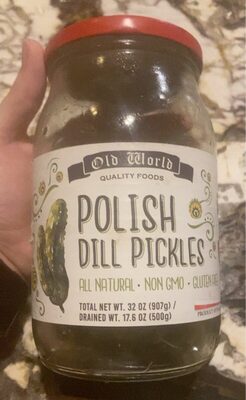 Old World Quality Foods, LLC
Polish Dill Pickles
20kcal
0Protein
0Fat
3.3Carbs
Safie Specialty Foods Co., Inc.
Dill Pickled Beans
18kcal
0Protein
0Fat
3.6Carbs
The Backyard Food Company
The Backyard Food Company, Czech Sweet & Sour Heirloom Pickle
86kcal
0Protein
0Fat
20.7Carbs
Pinnacle Foods Group LLC
Hungry-Man, Lasagna Layered With Metaballs
High in sodium — 58% DV per serving
High in saturated fat — 22% DV per serving
110kcal
5.3Protein
3.5Fat
14.5Carbs
United Natural Foods, Inc.
Greek Islands Medley Olives, Feta, & Roasted Peppers
233kcal
0Protein
26.7Fat
0Carbs
Safie Specialty Foods Co., Inc.
Pickled Asparagus
33kcal
3.3Protein
0Fat
6.7Carbs
Old World Quality Foods, LLC
Polish Dill Pickles
20kcal
0Protein
0Fat
3.3Carbs
Safie Specialty Foods Co., Inc.
Dill Pickled Beans
18kcal
0Protein
0Fat
3.6Carbs
The Backyard Food Company
The Backyard Food Company, Czech Sweet & Sour Heirloom Pickle
86kcal
0Protein
0Fat
20.7Carbs
Pinnacle Foods Group LLC
Hungry-Man, Lasagna Layered With Metaballs
High in sodium — 58% DV per serving
High in saturated fat — 22% DV per serving
110kcal
5.3Protein
3.5Fat
14.5Carbs
United Natural Foods, Inc.
Greek Islands Medley Olives, Feta, & Roasted Peppers
233kcal
0Protein
26.7Fat
0Carbs
Safie Specialty Foods Co., Inc.
Pickled Asparagus
33kcal
3.3Protein
0Fat
6.7Carbs
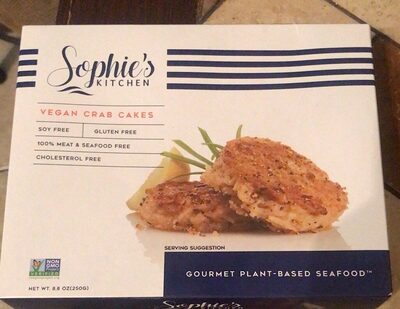 Sophie's Kitchen Inc.
Vegan Crab Cakes
185kcal
4.6Protein
9.2Fat
20Carbs
Sophie's Kitchen Inc.
Vegan Crab Cakes
185kcal
4.6Protein
9.2Fat
20Carbs
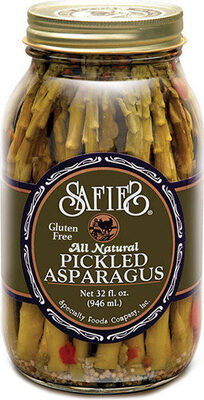 Safie Specialty Foods Co., Inc.
Pickled Asparagus
18kcal
0Protein
0Fat
3.6Carbs
Safie Specialty Foods Co., Inc.
Pickled Asparagus, Hot
33kcal
3.3Protein
0Fat
3.3Carbs
Safie Specialty Foods Co., Inc.
Pickled Asparagus
18kcal
0Protein
0Fat
3.6Carbs
Safie Specialty Foods Co., Inc.
Pickled Asparagus, Hot
33kcal
3.3Protein
0Fat
3.3Carbs