Beef Fat Or Vegetable Oil
What is Beef Fat Or Vegetable Oil?
This ingredient indicates that a food product contains either rendered fat from cattle (beef fat) or oil extracted from plants (vegetable oil), or a combination of both. Beef fat is solid at room temperature, while most vegetable oils are liquid. The specific type of vegetable oil is not specified, but common examples include soybean, canola, or sunflower oil.
Is Beef Fat Or Vegetable Oil a major allergen?
Beef fat is not a major allergen.
What is Beef Fat Or Vegetable Oil used for?
Both beef fat and vegetable oils are used to provide richness, flavor, and texture to foods.
Is Beef Fat Or Vegetable Oil safe?
Fats and oils are generally recognized as safe by the FDA.
Why it's used
Both beef fat and vegetable oils are used to provide richness, flavor, and texture to foods. They serve as cooking mediums, shortenings, and contribute to the overall mouthfeel of products. In products like pizza, they can be found in the crust, toppings, or cheese.
Health notes
Fats and oils are generally recognized as safe by the FDA. Beef fat is high in saturated fat, and some vegetable oils also contain saturated fat. The 2025-2030 Dietary Guidelines for Americans recommend limiting saturated fat intake to less than 10% of daily calories. JECFA and EFSA have evaluated various fats and oils, generally concluding they are safe for consumption within typical dietary patterns. Excessive intake of any fat can contribute to higher calorie consumption.
Allergen info
Beef fat is not a major allergen. However, if vegetable oil is used, it may be derived from major allergens like soy, peanuts, or tree nuts. Consumers with allergies should check product labels or contact the manufacturer for specific oil sources.
Foods that contain Beef Fat Or Vegetable Oil
Compare products →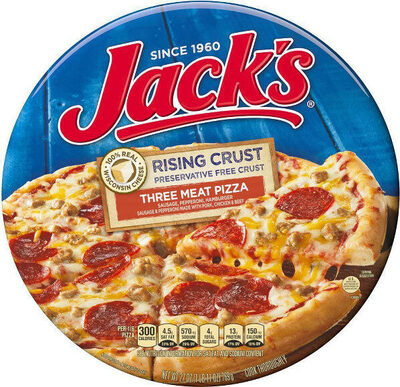

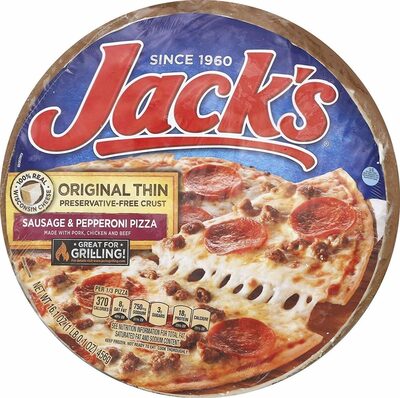
Learn more
Auto-generated content. This description was generated automatically and is pending editorial review. Inaccuracies are possible. Found a mistake? Contact us.